
Amniotic Therapy in Laguna Woods CA
Explore a Non-Surgical Human Tissue Allograft Option
Pacific Foot & Ankle Center now offers DPMx, a donated umbilical cord tissue allograft that patients with persistent foot or ankle concerns can discuss with Dr. Petersen as part of an individualized evaluation.

Are You Dealing With Any of These?
- Heel pain that keeps returning
- Achilles pain that limits your activity
- Tendon discomfort that has become persistent
- Painful or restrictive scar tissue
- A ligament injury that remains uncomfortable
- Symptoms that have not improved with conservative care

When May DPMx Be Discussed?
Dr. Petersen may discuss DPMx during an evaluation of persistent foot or ankle symptoms, particularly when previous conservative treatments have not provided sufficient relief. The product’s authorized intended use, available clinical evidence, and alternatives must be considered before any procedure is recommended.
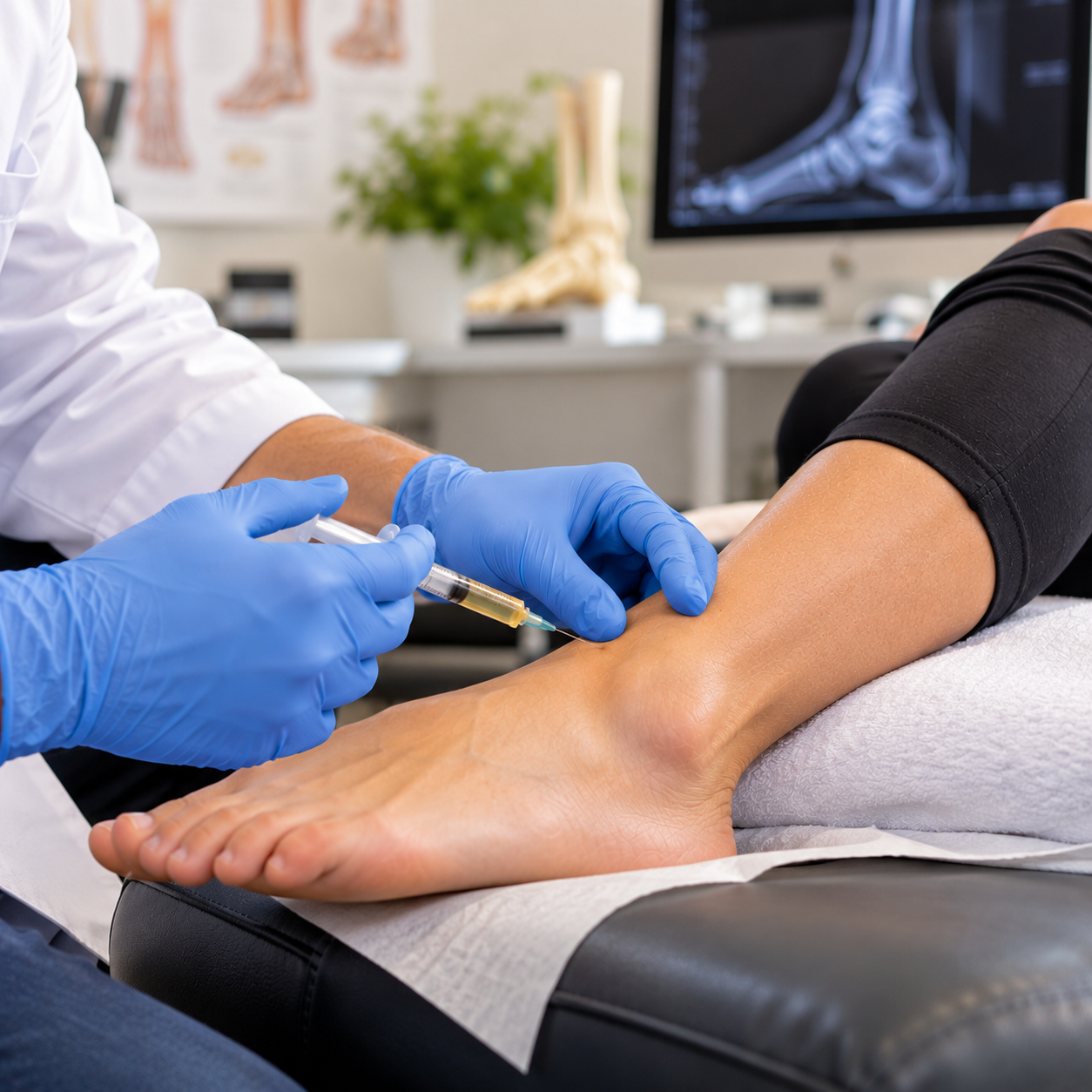
Plantar Fasciitis
Amniotic Therapy may be discussed for persistent plantar fascia pain that has not improved with appropriate conservative treatment.
Achilles Tendon Pain
Selected patients with chronic Achilles tendon symptoms may be evaluated to determine whether this therapy is appropriate.
Other Tendon Conditions
Persistent posterior tibial or peroneal tendon concerns may be considered after a complete foot and ankle evaluation.
Painful Scar or Ligament Tissue
Treatment may be discussed for certain painful scars or ligament concerns affecting comfort, movement, or daily activity.
Suitability depends on your diagnosis, medical history, previous treatments, and the specific product being considered.
Treatment Begins With the Right Diagnosis
Persistent foot and ankle pain can have several possible causes. Dr. Petersen evaluates your symptoms, medical history, and previous treatments before discussing appropriate care options.
DPMx is described by its manufacturer as a DMSO-free human umbilical cord tissue allograft containing naturally occurring structural components, including collagen, elastin, and hyaluronan. These characteristics describe the product’s composition and do not, by themselves, establish that it can repair damaged tissue or relieve foot pain.
Key Treatment Features
Human Tissue Allograft
DPMx is derived from donated human umbilical cord tissue and contains naturally occurring structural components.
Product-Specific Evaluation
Dr. Petersen reviews whether the product's intended use, regulatory status, and available evidence support its consideration.
No Open Surgical Incision
The proposed procedure and whether it requires an incision depend on the product and method of administration.
Personalized Care Plan
Recommendations and recovery instructions are based on your diagnosis, medical history, and individual needs.
DPMx is not a guaranteed solution for foot or ankle pain. Its suitability, risks, limitations, and alternatives should be reviewed before treatment.

What Is DPMx?
DPMx is a human birth tissue allograft derived from donated umbilical cord tissue. According to its manufacturer, it is processed to preserve naturally occurring structural tissue components.
Before considering DPMx, Dr. Petersen will explain the proposed application, available evidence, potential risks, alternatives, and whether the intended use complies with applicable FDA requirements.

What Is the DPMx Consultation and Treatment Process?
1. Evaluate
Dr. Petersen reviews your medical history, examines the affected area, and discusses whether DPMx is appropriate to consider.
2. Prepare and Treat
If the proposed use is appropriate and permitted, Dr. Petersen explains the procedure, preparation, and method of administration before proceeding.
3. Follow Your Recovery Plan
You receive individualized instructions about activity, discomfort, follow-up care, and when to resume normal activities.
Amniotic Therapy With David Petersen, DPM
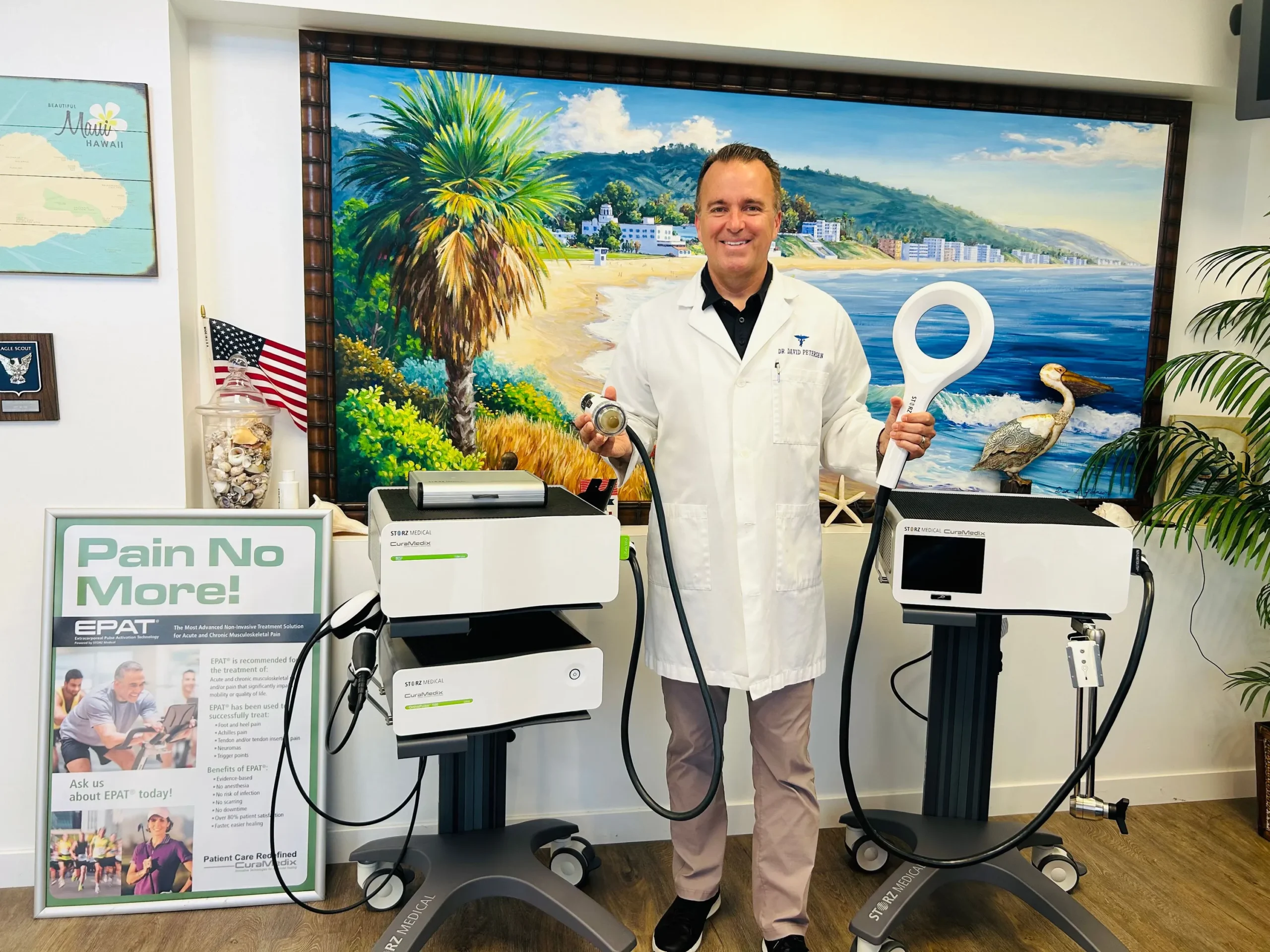
Dr. David Petersen has provided podiatric care in Orange County and Los Angeles since 1998. He considers your diagnosis, health, activity level, previous care, and treatment goals before recommending an injection.
His goal is to help you understand your options and make an informed decision about your foot and ankle care.
Trusted by Local Patients
★★★★★ 4.9 / 5 · 120+ reviews


What Patients Are Saying


 Trustindex verifies that the original source of the review is Google.
 Trustindex verifies that the original source of the review is Google.
 Trustindex verifies that the original source of the review is Google.
 Trustindex verifies that the original source of the review is Google.
 Trustindex verifies that the original source of the review is Google.
 Trustindex verifies that the original source of the review is Google.
 Trustindex verifies that the original source of the review is Google.
 Trustindex verifies that the original source of the review is Google.
Frequently Asked Questions
DPMx is a donated human umbilical cord tissue allograft containing naturally occurring structural components. Dr. Petersen can explain its composition, intended use, regulatory considerations, and whether it is appropriate to discuss during your evaluation.
The presence of structural components in an allograft does not establish that it repairs damaged tissue or relieves pain. Evidence supporting a particular clinical use should be reviewed before treatment is considered.
Amniotic Therapy generally refers to treatment involving a donated human-tissue product derived from amniotic membrane, umbilical-cord tissue, or related material. The composition and regulatory status can differ between products.
Not necessarily. Patients should not assume that an amniotic or umbilical-cord-derived product contains living stem cells. Ask the office for information about the specific product proposed for your care.
The FDA states that regenerative medicine products, including amniotic-fluid products, have not been approved to treat orthopedic conditions. Dr. Petersen should explain the regulatory status and proposed use of the specific product before treatment.
The area is numbed before the injection to help reduce discomfort. Temporary soreness may occur after the numbing medication wears off, and individual experiences vary.
The injection is administered during an office appointment. The complete visit also includes preparation, treatment, and a review of your recovery instructions.
Responses and timelines vary according to the condition, product, and individual patient. Improvement cannot be guaranteed, and follow-up is important for assessing your response.
Your activity instructions will depend on the location treated and your underlying condition. Temporary activity changes, supportive footwear, bracing, or immobilization may be recommended.
Coverage varies and this therapy may be offered as a self-pay service. Contact Pacific Foot & Ankle Center before treatment to discuss insurance and payment information.
Discuss Whether Amniotic Therapy Is Appropriate for You
If persistent foot or ankle pain has not improved with conservative treatment, schedule an evaluation with Dr. Petersen. He can identify the cause and explain the potential benefits, risks, limitations, and alternatives associated with your treatment options.