
Ingrown Toenail Treatment in Laguna Woods CA
Stop Ingrown Toenail Pain Before It Gets Worse
We identify what is causing the nail to press into your skin and provide appropriate care to relieve discomfort and protect the toe.
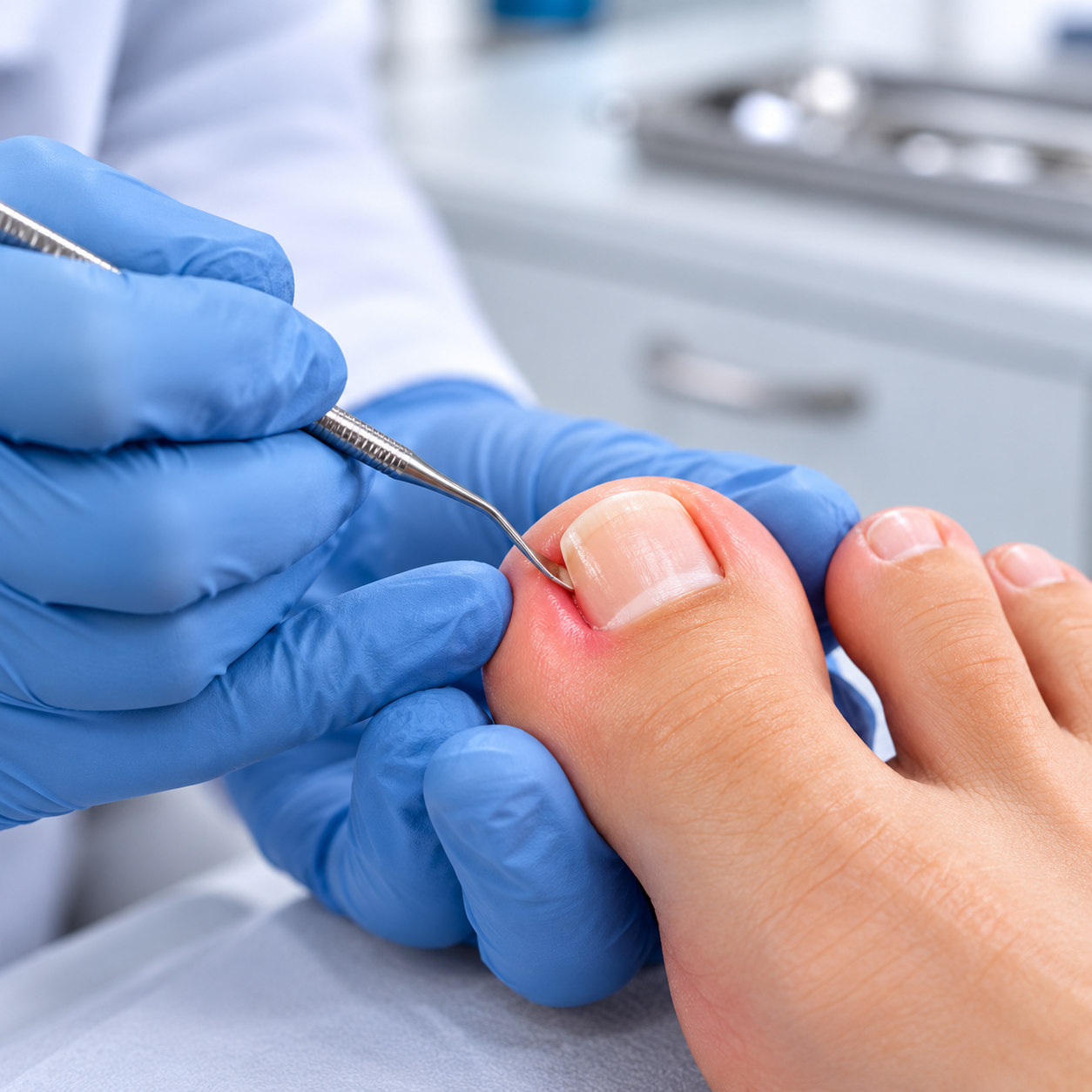
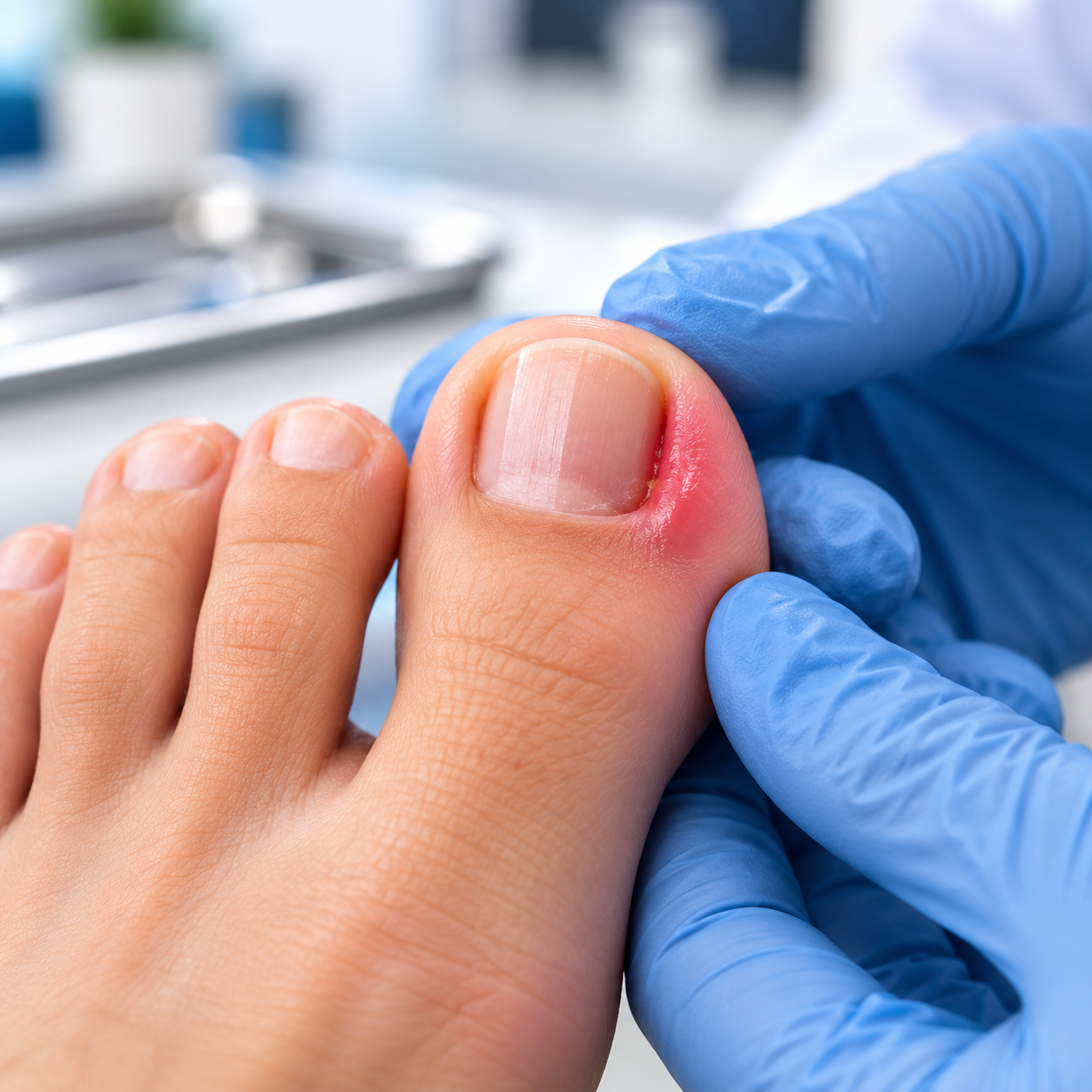
Does This Sound Familiar?
- Pain along one side of your toenail
- Redness or swelling around the nail
- Tenderness when wearing shoes or walking
- Skin growing over the nail edge
- Fluid or drainage around the affected area
- An ingrown toenail that keeps returning
What Might Be Causing Your Ingrown Toenail?
An ingrown toenail develops when the side or corner of the nail curves into the surrounding skin. Several factors can cause or contribute to the problem.

Improper Nail Trimming
Cutting toenails too short or rounding the corners may encourage the surrounding skin to fold over the nail.
Naturally Curved Nails
Some people inherit a nail shape that makes their toenails more likely to grow into the skin.
Tight Footwear
Shoes or socks that crowd the toes can press the nail edge into the surrounding skin.
Toe Injuries
Stubbing a toe, dropping something on it, or damaging the nail can affect how the nail grows.
Repeated Toe Pressure
Running, kicking, or other activities that repeatedly press against the toes may contribute to nail irritation.
Other Nail Conditions
Fungal infections, thickened nails, or a damaged nail may change its shape and increase the likelihood of ingrowth.
How Is an Ingrown Toenail Diagnosed?
An evaluation helps determine how deeply the nail has entered the skin and whether infection or another nail condition is present.
1. Discuss Your Symptoms
Dr. Petersen will ask when the problem began, whether it has returned before, and how it affects walking or footwear.
2. Examine the Toe and Nail
He’ll examine the nail edge, surrounding skin, tenderness, swelling, drainage, and other possible signs of infection.
3. Additional Evaluation, if Needed
Further evaluation may be recommended if an infection or another underlying nail condition is suspected.
A Different Approach to Ingrown Toenail Treatment
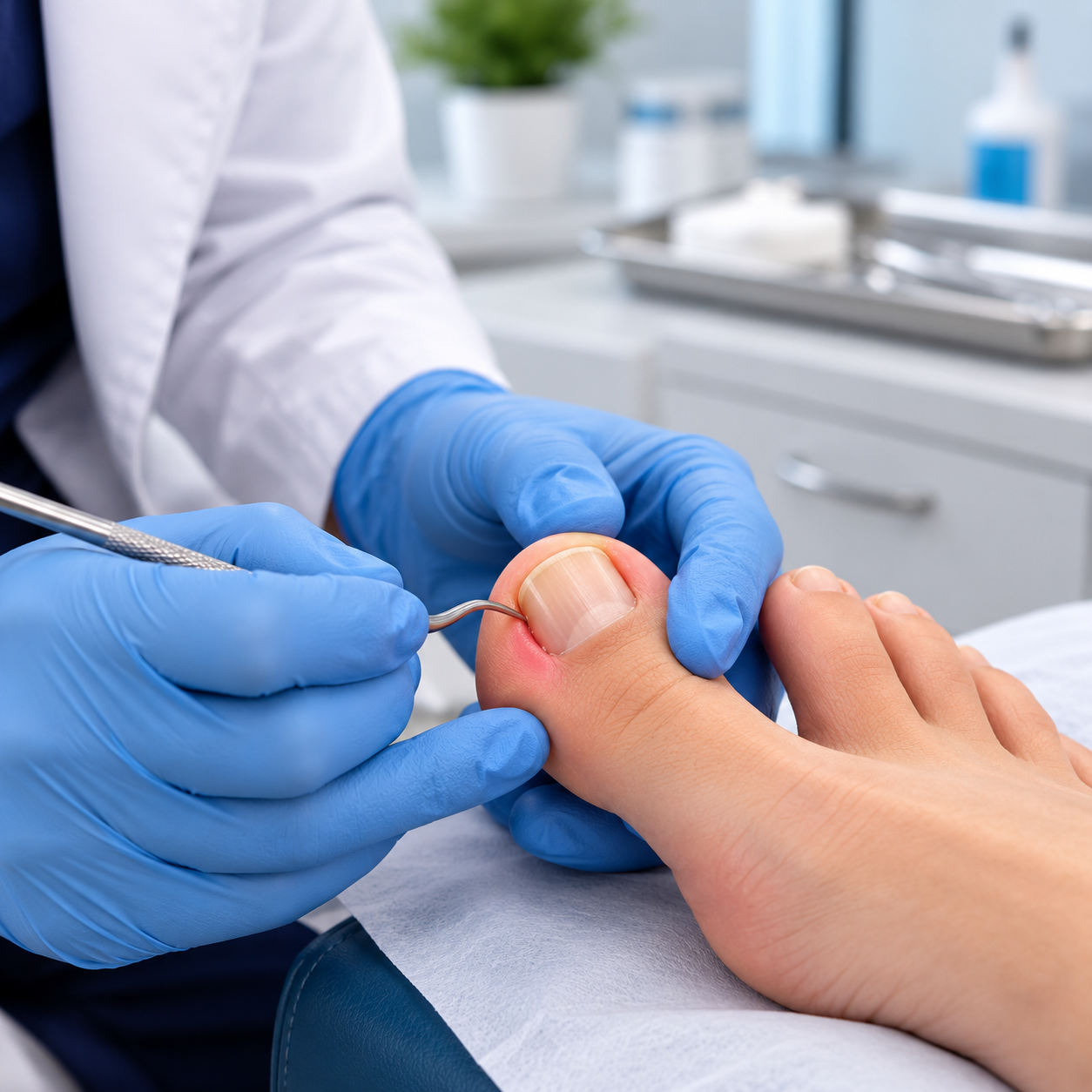
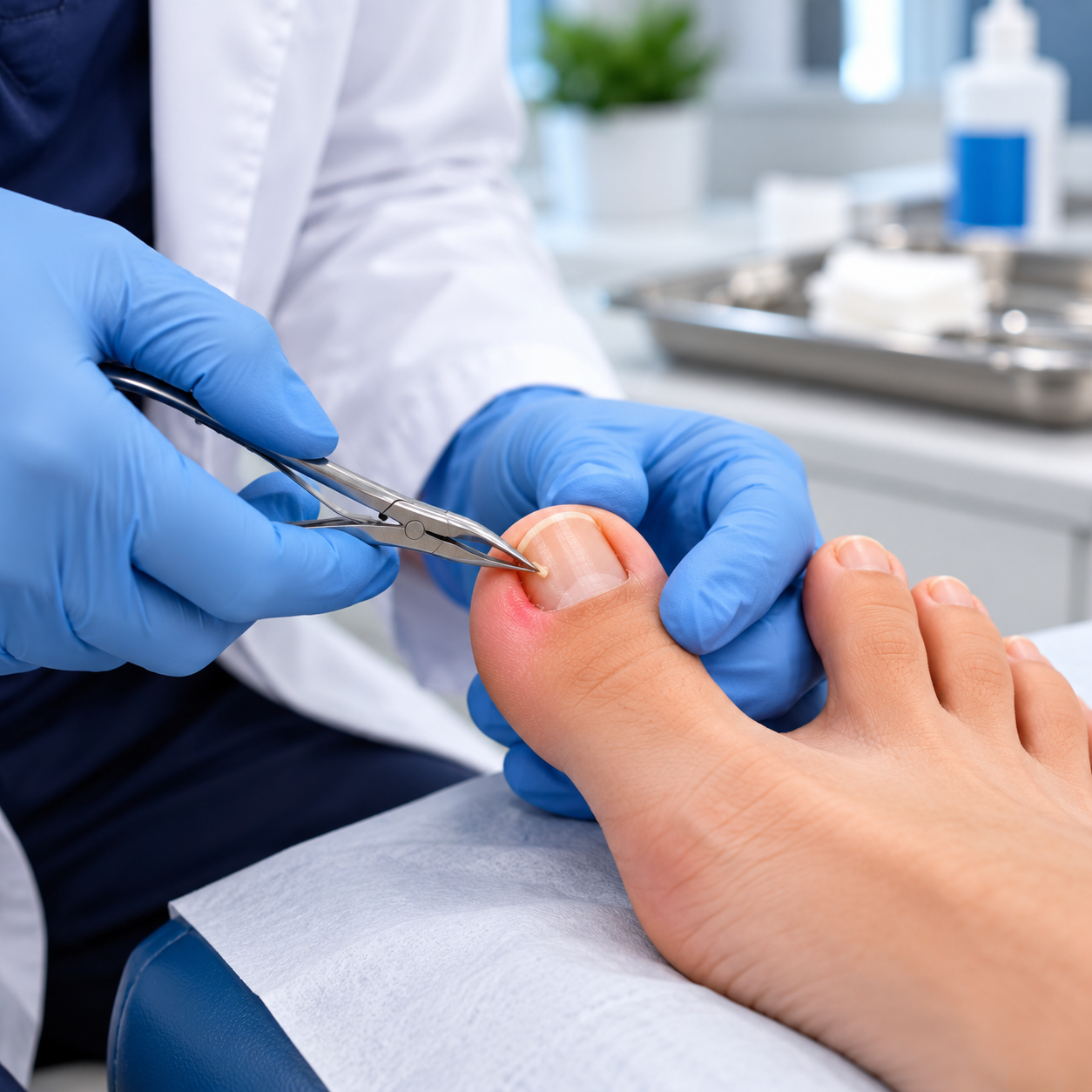
We address the nail edge causing the irritation rather than only covering or temporarily reducing the discomfort. Dr. Petersen recommends care based on the nail’s shape, the condition of the surrounding skin, signs of infection, and whether the problem has returned.
Treat the Nail Edge, Not Just the Irritation
When appropriate, a minor in-office procedure can remove the part of the nail pressing into the skin. Local anesthetic is used, and additional steps may be considered when the same nail repeatedly becomes ingrown.
Why Choose Dr. Petersen?
Dr. David Petersen has provided podiatric care to patients in Orange County and Los Angeles since 1998. He evaluates the underlying cause of each patient’s symptoms before recommending a treatment plan.
His education and advanced training include:
- Doctor of Podiatric Medicine degree
- Residency training in podiatric medicine and foot surgery
- Two-year fellowship in advanced foot and ankle surgery
- Experience with conservative and surgical treatment options
Patients receive clear explanations about their diagnosis, available options, expected outcomes, and appropriate next steps.
Trusted by Local Patients
★★★★★ 4.9 / 5 · 120+ reviews
What Patients Are Saying


 Trustindex verifies that the original source of the review is Google.
 Trustindex verifies that the original source of the review is Google.
 Trustindex verifies that the original source of the review is Google.
 Trustindex verifies that the original source of the review is Google.
 Trustindex verifies that the original source of the review is Google.
 Trustindex verifies that the original source of the review is Google.
 Trustindex verifies that the original source of the review is Google.
 Trustindex verifies that the original source of the review is Google.
When Should You See a Podiatrist for an Ingrown Toenail?
Schedule an evaluation when an ingrown toenail remains painful, repeatedly returns, or shows possible signs of infection.
Seek professional care if:
- Pain, redness, or swelling continues to increase
- You notice drainage or an unpleasant odor
- The skin begins growing over the nail edge
- Walking or wearing shoes becomes uncomfortable
- The ingrown toenail repeatedly returns
- You have diabetes, poor circulation, or reduced sensation
Do not attempt to dig out or repeatedly cut the affected nail at home, especially when infection may be present.
Frequently Asked Questions About Ingrown Toenails
The nail edge may be curving or pressing into the surrounding skin. This pressure can cause tenderness, redness, swelling, and discomfort when walking or wearing shoes.
Yes. If the nail breaks the skin, bacteria may enter and cause an infection. Increasing redness, warmth, swelling, drainage, or an unpleasant odor should be professionally evaluated.
No. Digging into the nail or repeatedly cutting its corners can worsen the problem and increase the risk of injury or infection.
Recurring ingrown toenails may be related to nail shape, trimming habits, footwear, repeated pressure, or an untreated portion of the nail. An evaluation can help identify why it keeps returning.
After numbing the toe with a local anesthetic, the affected section of the nail may be carefully removed. The exact procedure depends on the nail, surrounding skin, infection risk, and recurrence history.
Proper nail trimming and well-fitting footwear may lower the risk. Cut toenails fairly straight across, avoid trimming them too short, and choose shoes that do not crowd the toes.
See a podiatrist when pain persists, symptoms worsen, the nail repeatedly becomes ingrown, or signs of infection appear. People with diabetes, poor circulation, or reduced foot sensation should seek professional care promptly.
Take the Next Step Toward Ingrown Toenail Relief
If an ingrown toenail is making walking or wearing shoes uncomfortable, schedule an evaluation with Dr. Petersen. He’ll identify what is causing the problem and recommend appropriate care for your toe.