
Bunion Treatment in Laguna Woods CA
Walk More Comfortably Without Bunion Pain Holding You Back
We evaluate the structural changes affecting your big-toe joint and provide personalized care to reduce discomfort and improve foot function.
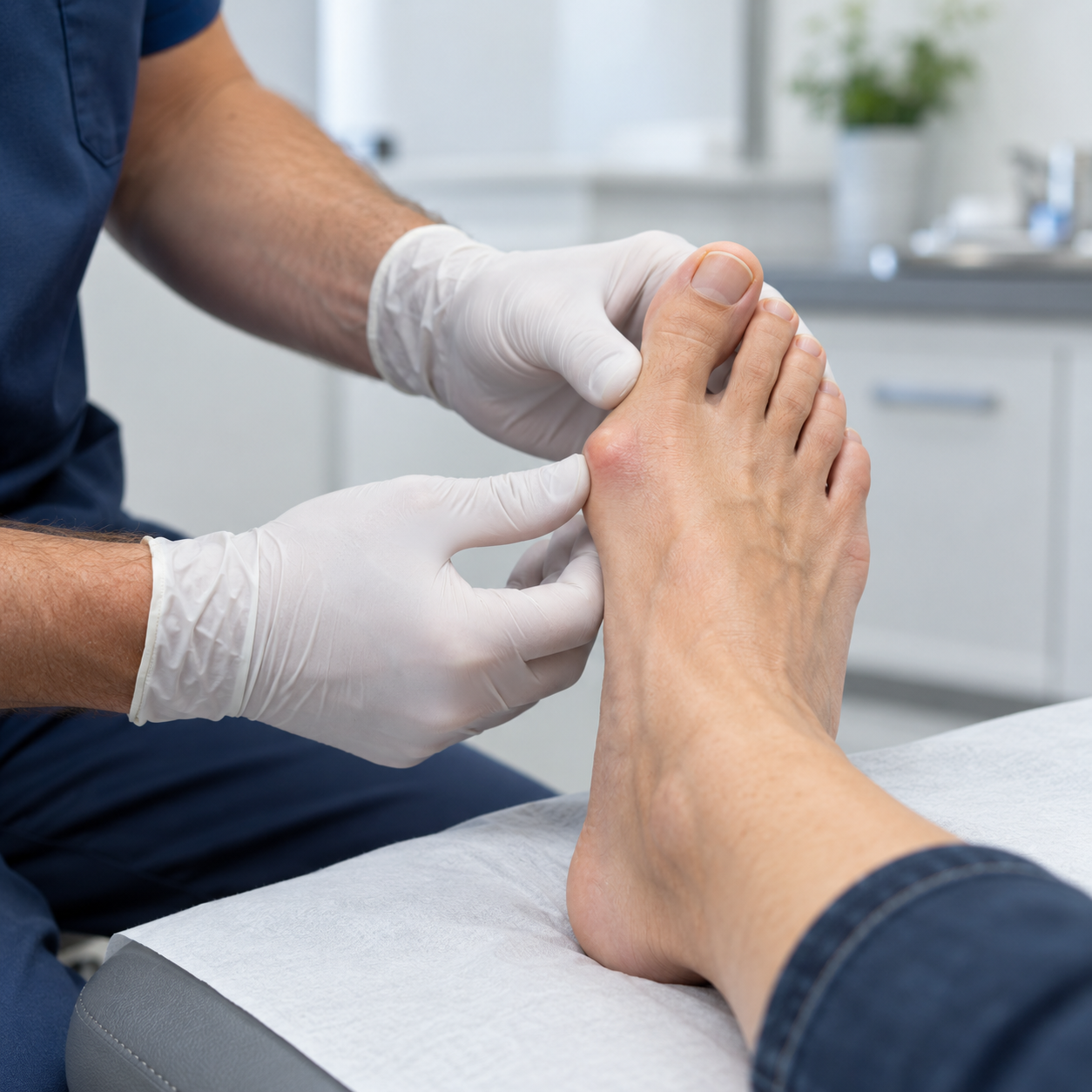
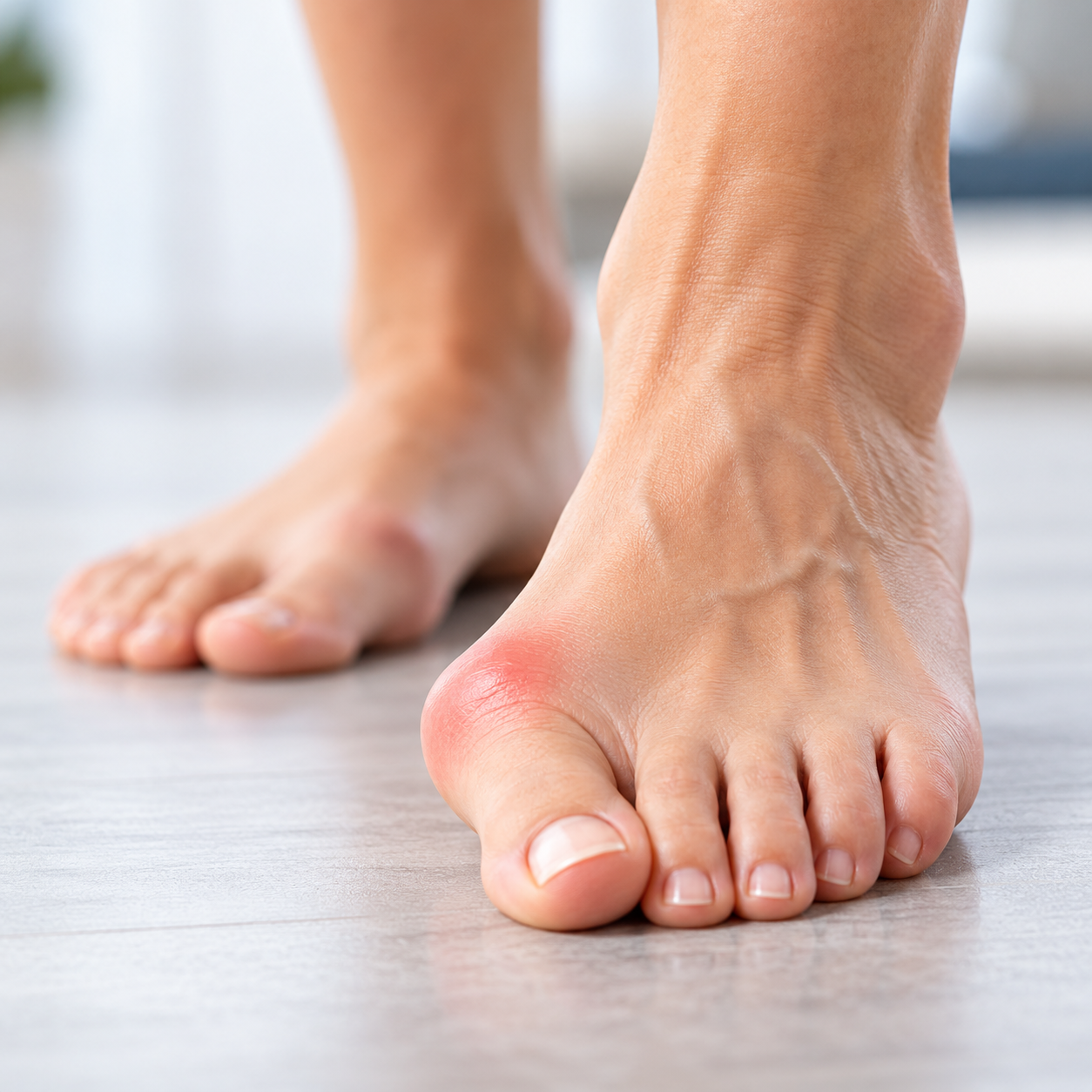
Does This Sound Familiar?
- A visible bump beside your big-toe joint
- Pain or soreness when wearing shoes
- Redness or swelling around the joint
- Burning or numbness near the bunion
- Your big toe leaning toward the second toe
- Discomfort that limits walking or daily activities
What May Be Contributing to Your Bunion?
A bunion develops when the bones at the front of the foot gradually move out of alignment. Several factors can influence its development or make symptoms more noticeable.

Inherited Foot Structure
Certain inherited foot shapes and mechanical patterns may increase your likelihood of developing a bunion.
Changes in Joint Alignment
As the big toe shifts toward the second toe, the joint at its base becomes more prominent.
Narrow or Tight Shoes
Shoes do not directly cause bunions, but crowded toe boxes may increase pressure and worsen discomfort.
Prolonged Standing
Spending long periods on your feet can aggravate soreness, inflammation, and pressure around the bunion.
Repeated Joint Pressure
Regular pressure against the big-toe joint may make existing bunion symptoms more noticeable during activity.
Arthritis
Certain forms of arthritis can affect the big-toe joint and contribute to pain, stiffness, or changes in alignment.
How Is a Bunion Diagnosed?
Because bunions can vary in severity and progression, a complete evaluation is important before treatment begins.
1. Discuss Your Symptoms
Dr. Petersen will ask about your discomfort, footwear, activity level, and how the bunion affects your daily life.
2. Examine Your Foot
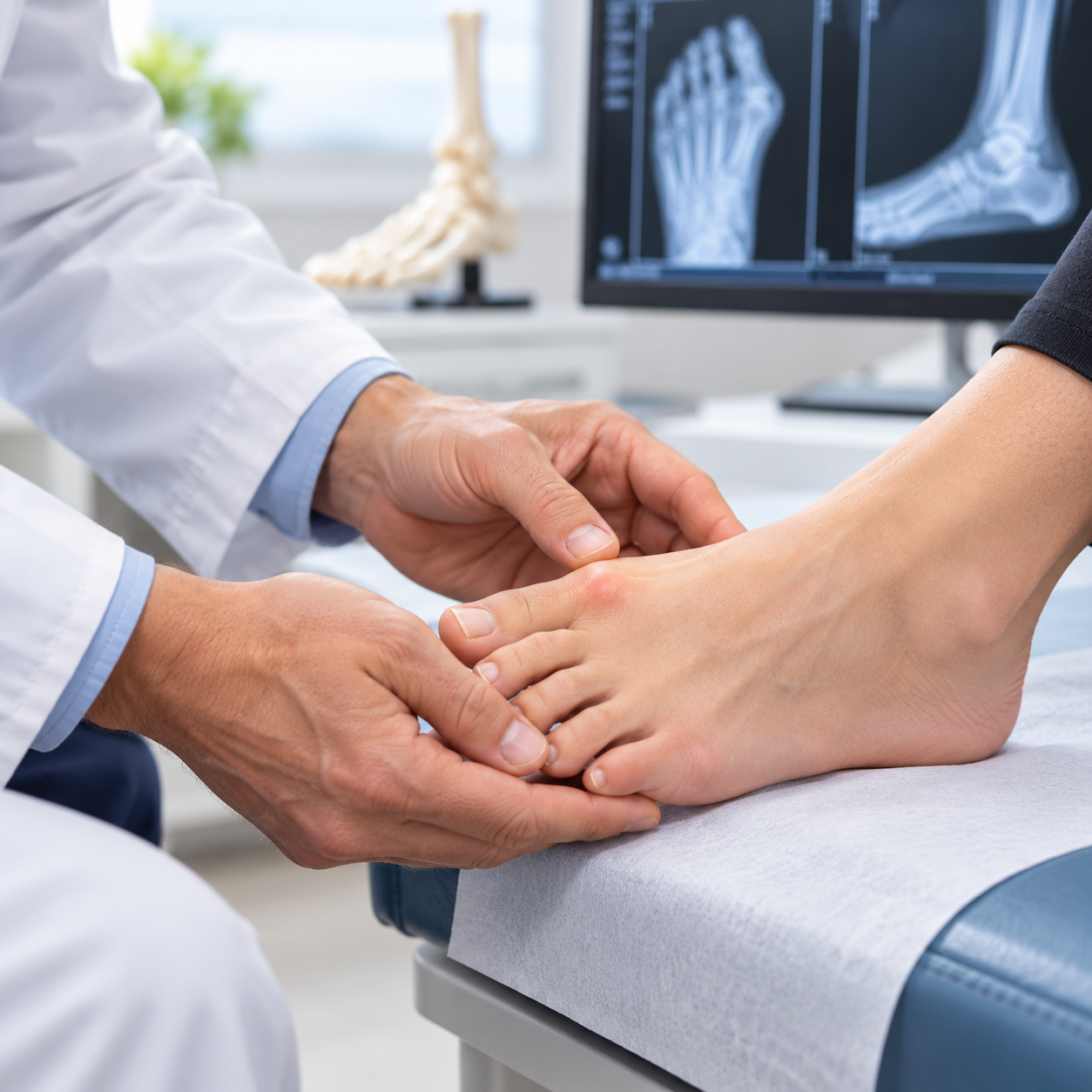
He’ll examine the big-toe joint and evaluate its alignment, movement, tenderness, and effect on your walking pattern.
3. Imaging, if Needed
Digital X-rays may be used to evaluate the joint, measure the deformity, and guide treatment recommendations.
A Different Approach to Bunion Treatment
We look beyond the visible bump to understand how the bunion affects your joint, foot function, footwear, and daily activities. Dr. Petersen develops a personalized plan to reduce pressure and discomfort while determining whether nonsurgical care or surgical correction is appropriate.
Improve Support and Reduce Pressure
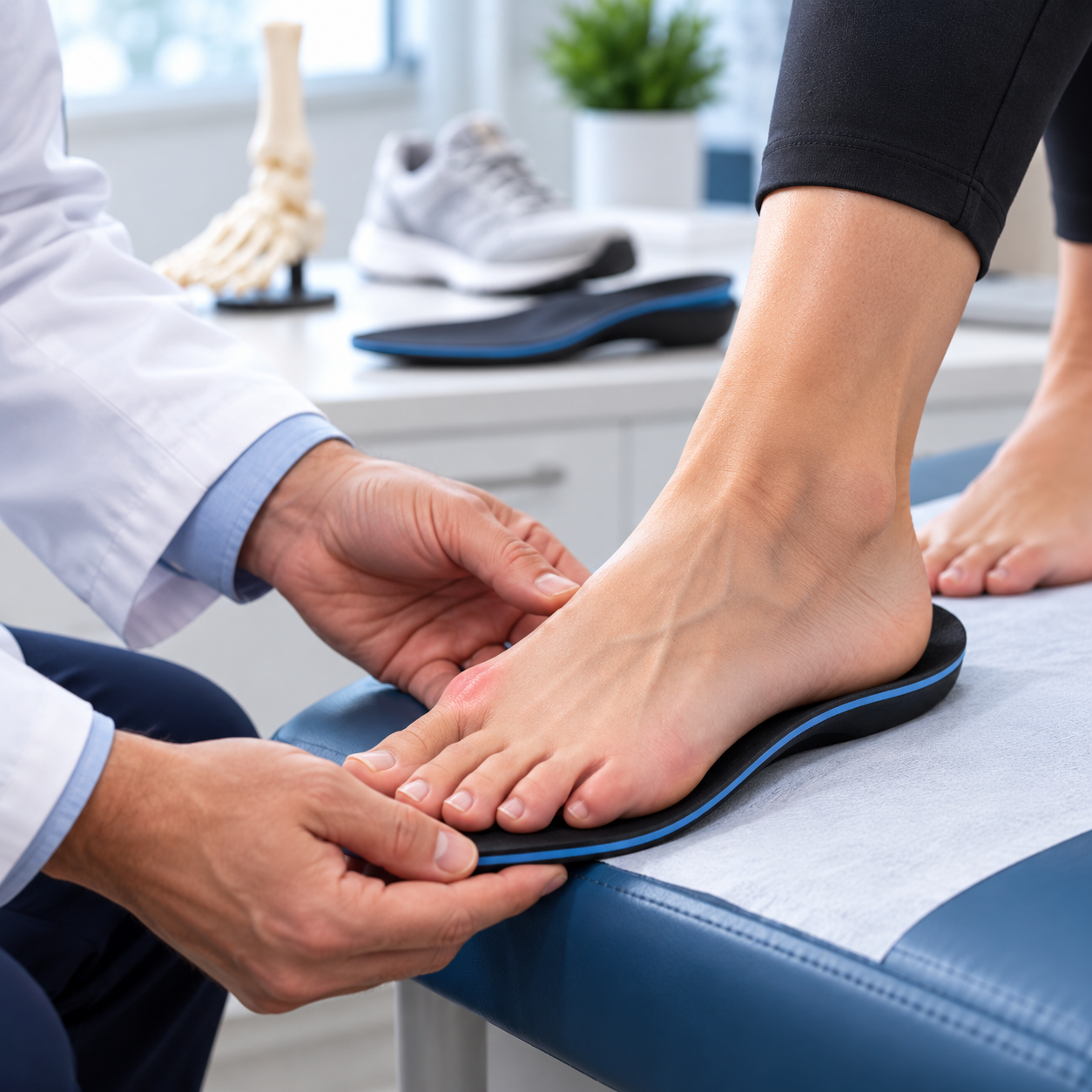
Custom Orthotics may help improve support and redistribute pressure when foot mechanics contribute to bunion discomfort. They cannot reverse the deformity, but they may be included in a personalized nonsurgical care plan.
Why Choose Dr. Petersen?
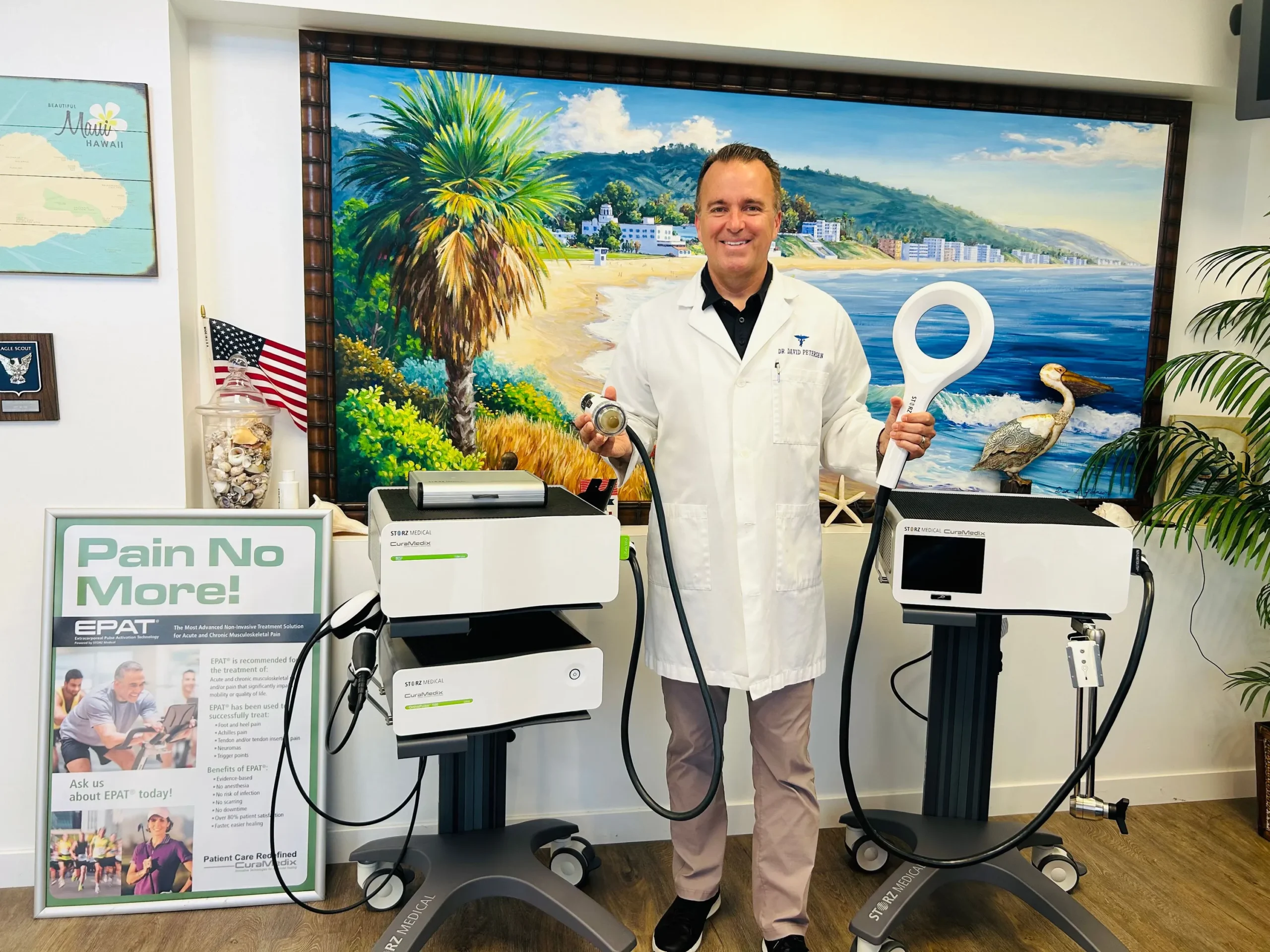
Dr. David Petersen has provided podiatric care to patients in Orange County and Los Angeles since 1998. He evaluates the underlying cause of each patient’s symptoms before recommending a treatment plan.
His education and advanced training include:
- Doctor of Podiatric Medicine degree
- Residency training in podiatric medicine and foot surgery
- Two-year fellowship in advanced foot and ankle surgery
- Experience with conservative and surgical treatment options
Patients receive clear explanations about their diagnosis, available options, expected outcomes, and appropriate next steps.
Trusted by Local Patients
★★★★★ 4.9 / 5 · 120+ reviews

What Patients Are Saying


 Trustindex verifies that the original source of the review is Google.
 Trustindex verifies that the original source of the review is Google.
 Trustindex verifies that the original source of the review is Google.
 Trustindex verifies that the original source of the review is Google.
 Trustindex verifies that the original source of the review is Google.
 Trustindex verifies that the original source of the review is Google.
 Trustindex verifies that the original source of the review is Google.
 Trustindex verifies that the original source of the review is Google.
When Should You See a Podiatrist for a Bunion?
Schedule an evaluation when a bunion becomes painful, changes noticeably, or begins interfering with footwear, walking, or daily activities.
Seek professional care if:
- The bump becomes increasingly painful or swollen
- Your big toe continues moving toward the second toe
- Shoes regularly rub or press against the joint
- You develop burning, numbness, or ongoing tenderness
- The joint becomes stiff or difficult to move
- Bunion pain begins limiting your normal activities
Frequently Asked Questions About Bunions
Bunions are often associated with inherited foot structure and mechanics. You may inherit a foot type that makes a bunion more likely to develop, rather than inheriting the bunion itself.
Tight or narrow shoes do not directly cause bunions. However, shoes that crowd the toes can place additional pressure on an existing bunion and make symptoms or progression more noticeable.
Bunions are generally progressive, but the rate of change differs between patients. Regular evaluations can help monitor the joint and determine when treatment may be appropriate.
Nonsurgical care may reduce pain and pressure, but it cannot realign the bones or remove the bunion. Surgery is the only way to correct the underlying structural deformity.
Custom Orthotics may improve support and redistribute pressure when foot mechanics contribute to your symptoms. They do not remove the bunion or straighten the big-toe joint.
Surgery may be discussed when bunion pain continues despite appropriate nonsurgical care and interferes with walking or daily activities. The recommended procedure depends on the deformity, joint condition, activity level, and individual needs.
Consider seeing a podiatrist when your bunion becomes painful, changes alignment, causes difficulty wearing shoes, or limits normal activities. An evaluation can determine its severity and identify appropriate treatment options.
Take the Next Step Toward Bunion Relief
If a bunion is making shoes uncomfortable or limiting your walking and daily activities, schedule an evaluation with Dr. Petersen. He’ll assess the joint and recommend a personalized treatment plan based on your symptoms and foot structure.