
Neuroma Treatment in Laguna Woods CA
Walk Without Burning Pain in the Ball of Your Foot
We identify what may be irritating the nerve and provide personalized care to reduce pressure, relieve symptoms, and improve walking comfort.
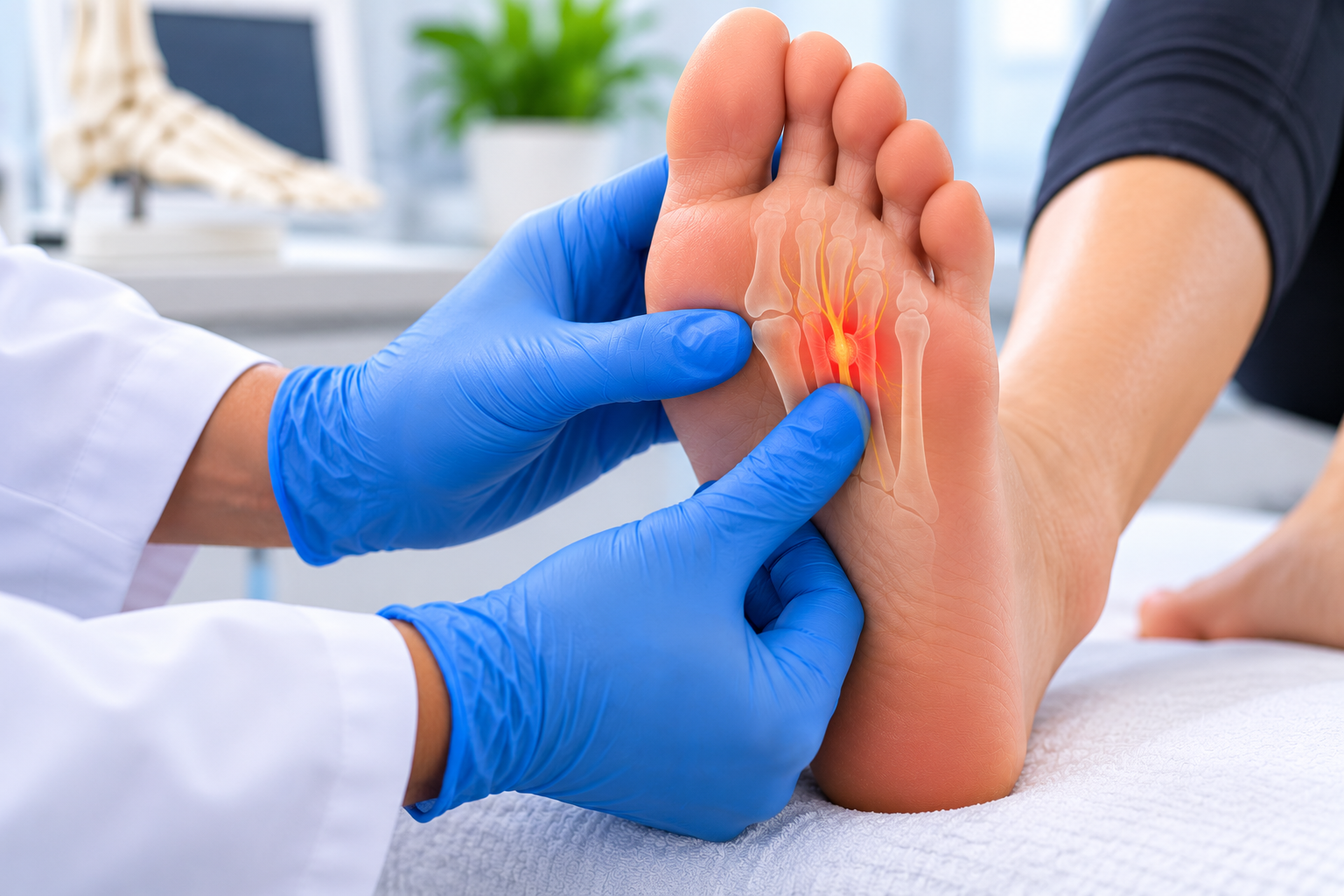
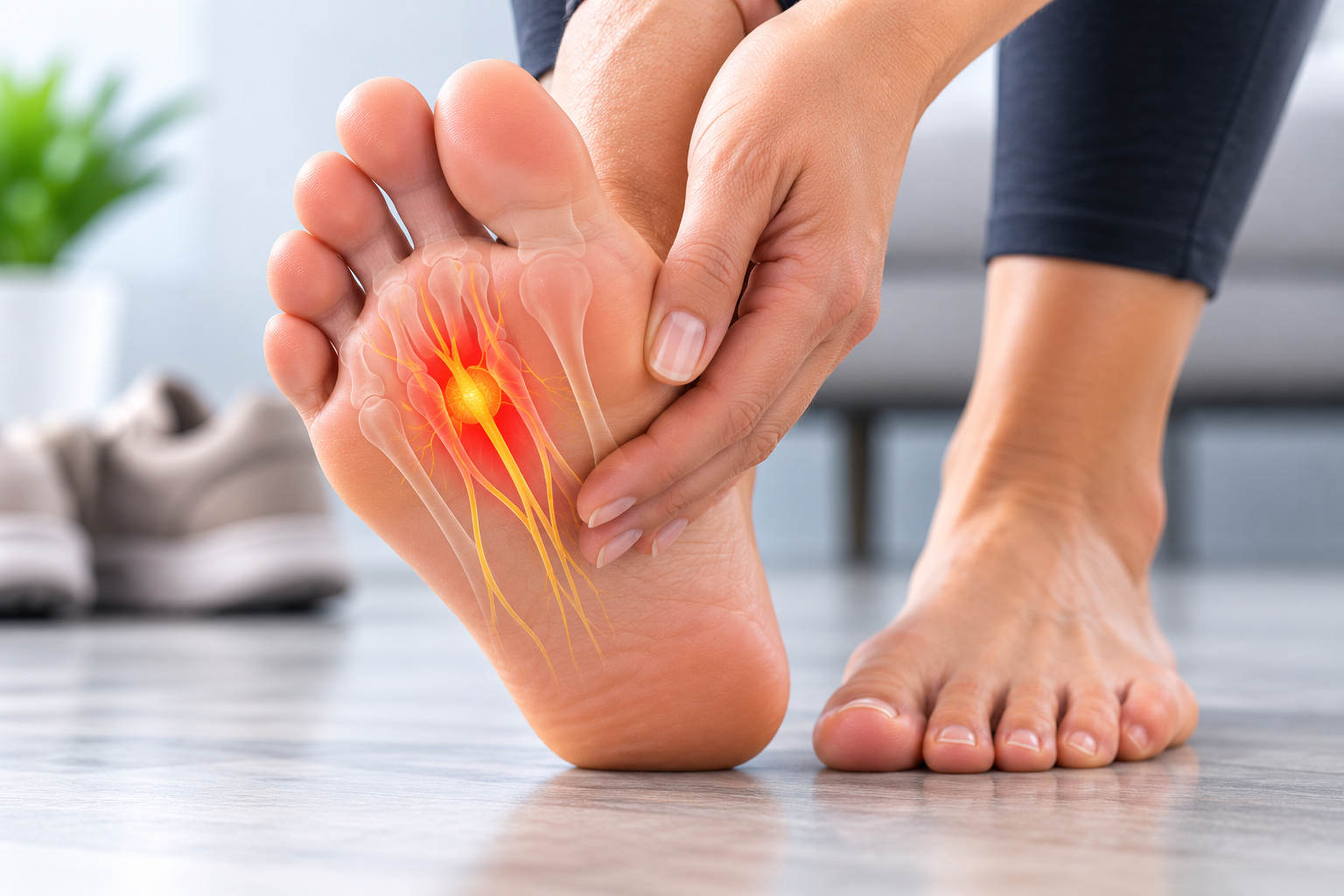
Does This Sound Familiar?
- Burning pain in the ball of your foot
- Tingling or numbness extending into your toes
- Feeling like a pebble is inside your shoe
- Feeling like your sock is bunched underneath your foot
- Pain that worsens in narrow or high-heeled shoes
- Temporary relief after removing your shoe or massaging your foot
What Might Be Causing Your Neuroma?
A neuroma develops when nerve tissue becomes irritated, compressed, and thickened. Morton’s neuroma most commonly develops between the third and fourth toes.

Narrow Footwear
Shoes with tapered toe boxes can squeeze the toes together and increase pressure around the nerve.
High-Heeled Shoes
High heels shift body weight toward the front of the foot, increasing pressure across the ball of the foot.
Repetitive Activity
Running, court sports, and other activities can repeatedly irritate the nerve and surrounding tissue.
Foot Structure
Flat feet, flexible feet, and other structural differences may increase pressure through the front of the foot.
Other Foot Conditions
Bunions and hammertoes can alter toe position and contribute to compression around the affected nerve.
Previous Injury
Trauma to the ball of the foot may irritate the nerve and contribute to neuroma symptoms.
How Is a Neuroma Diagnosed?
Because neuroma symptoms can resemble joint, bone, or tendon problems, an accurate evaluation is important before treatment begins.
1. Discuss Your Symptoms
Dr. Petersen will ask where the pain occurs, what it feels like, and which shoes or activities make it worse.
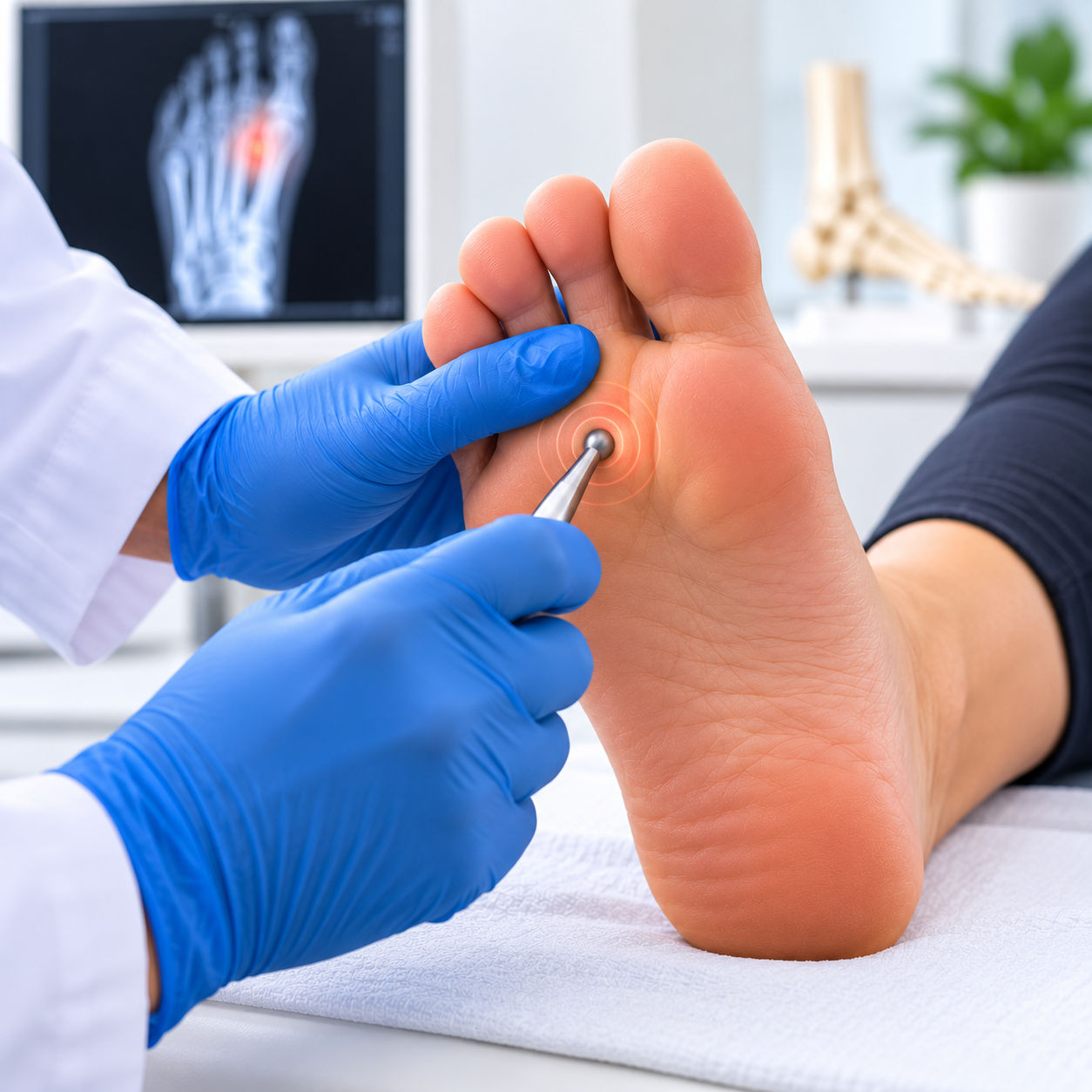
2. Examine Your Foot
He’ll examine the painful area and may gently compress or manipulate the foot to reproduce your symptoms.
3. Imaging, if Needed
Imaging may be recommended to rule out other possible causes of pain in the ball of your foot.
A Different Approach to Neuroma Treatment
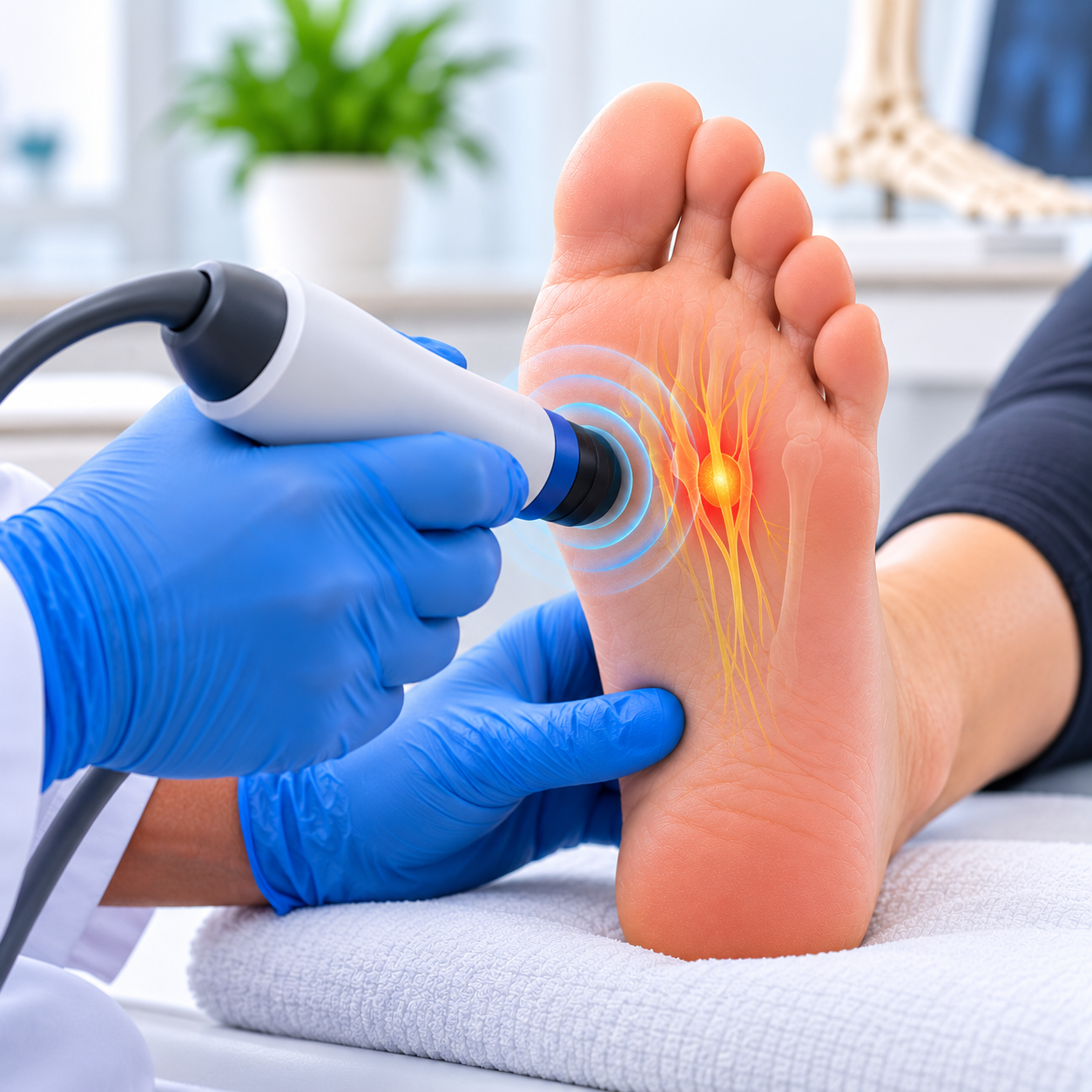
We focus on identifying what is compressing the nerve rather than only temporarily reducing the pain. Dr. Petersen develops a personalized plan based on your foot structure, footwear, activities, symptoms, and how long the problem has been present.
Relieve Nerve Pressure and Improve Support
Custom Orthotics may help support the foot and redistribute pressure away from the irritated nerve. They may be included in a nonsurgical treatment plan for eligible neuroma symptoms.
Why Choose Dr. Petersen?
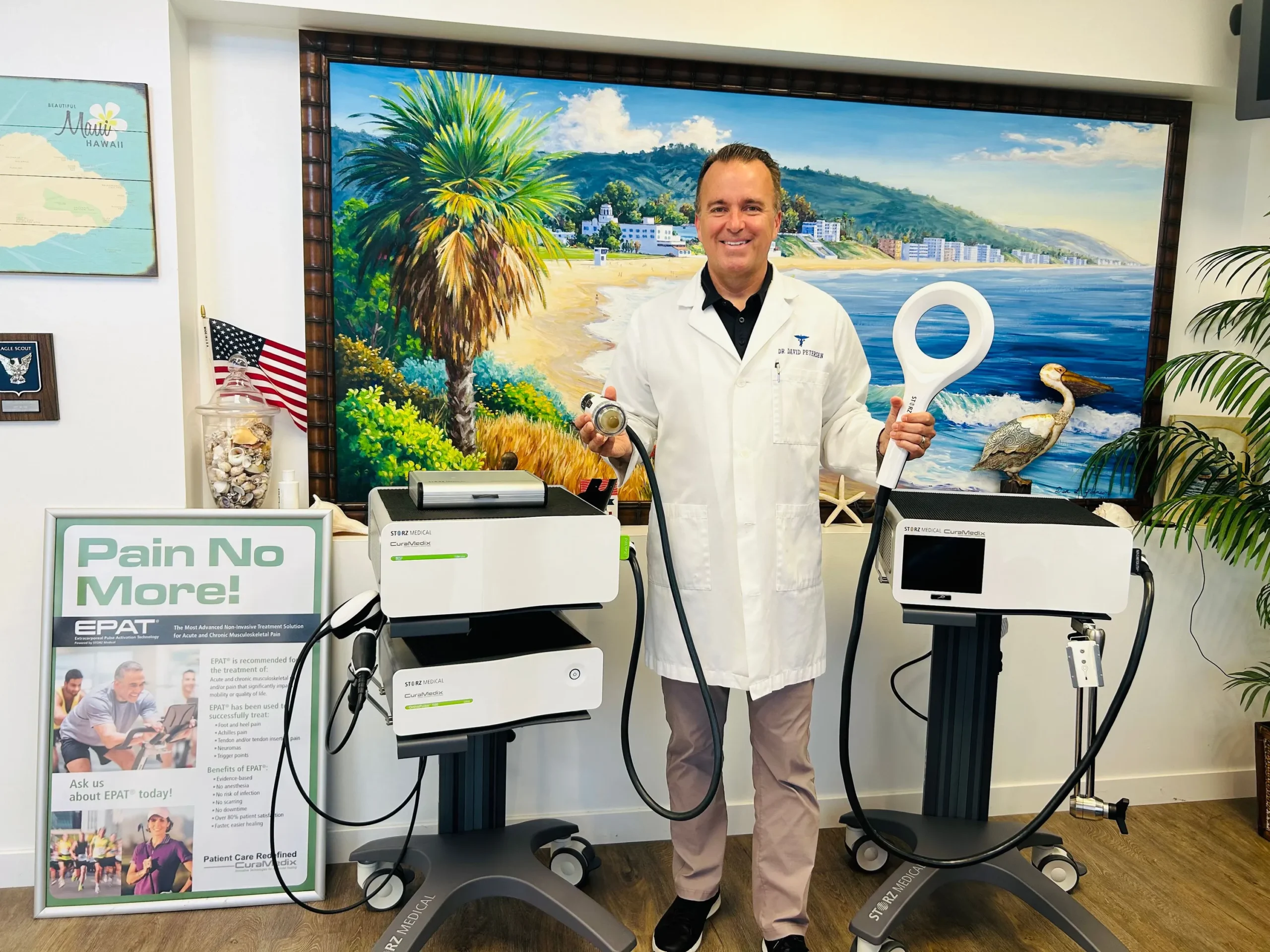
Dr. David Petersen has provided podiatric care to patients in Orange County and Los Angeles since 1998. He evaluates the underlying cause of each patient’s symptoms before recommending a treatment plan.
His education and advanced training include:
- Doctor of Podiatric Medicine degree
- Residency training in podiatric medicine and foot surgery
- Two-year fellowship in advanced foot and ankle surgery
- Experience with conservative and surgical treatment options
Patients receive clear explanations about their diagnosis, available options, expected outcomes, and appropriate next steps.
Trusted by Local Patients
★★★★★ 4.9 / 5 · 120+ reviews
What Patients Are Saying


 Trustindex verifies that the original source of the review is Google.
 Trustindex verifies that the original source of the review is Google.
 Trustindex verifies that the original source of the review is Google.
 Trustindex verifies that the original source of the review is Google.
 Trustindex verifies that the original source of the review is Google.
 Trustindex verifies that the original source of the review is Google.
 Trustindex verifies that the original source of the review is Google.
 Trustindex verifies that the original source of the review is Google.
When Should You See a Podiatrist for a Neuroma?
Schedule an evaluation when burning, tingling, numbness, or pain in the ball of your foot persists or begins affecting normal activities.
Seek professional care if:
- Pain repeatedly returns when wearing certain shoes
- Burning or tingling spreads into your toes
- Numbness becomes more frequent or persistent
- Walking or exercise becomes uncomfortable
- Removing your shoes provides only temporary relief
- Symptoms continue despite footwear or activity changes
Early evaluation may help reduce ongoing nerve irritation and the need for more invasive treatment.
Frequently Asked Questions About Neuromas
A Morton’s neuroma can create the sensation of standing on a pebble or a bunched-up sock. This feeling results from irritation and thickening of nerve tissue in the ball of the foot.
Compression of the affected nerve can cause burning, tingling, numbness, or pain that extends toward the toes. These symptoms may become more noticeable during walking or in narrow shoes.
Yes. Narrow or tapered shoes can compress the toes and increase pressure around the nerve. High heels can also shift additional weight onto the ball of the foot.
Symptoms may temporarily improve when you remove tight shoes, massage the foot, or avoid aggravating activities. However, ongoing nerve compression may cause symptoms to return or become more persistent.
Custom Orthotics may support the foot and redistribute pressure away from the irritated nerve. Whether they are appropriate depends on your foot structure, symptoms, and examination findings.
No. Treatment often begins with nonsurgical options based on the severity and duration of the condition. Surgery may be discussed when symptoms remain significant despite appropriate conservative care.
See a podiatrist when pain, burning, tingling, or numbness persists, worsens, or interferes with walking. Earlier diagnosis may help reduce continued nerve irritation.
Take the Next Step Toward Neuroma Relief
If burning or tingling in the ball of your foot is making walking or wearing shoes uncomfortable, schedule an evaluation with Dr. Petersen. He’ll identify what may be irritating the nerve and recommend an appropriate treatment plan.