
Heel Pain Treatment in Laguna Woods CA
Get Back on Your Feet Without Heel Pain Holding You Back
We identify what may be causing your heel pain and provide personalized treatment options to help you return to the activities you enjoy.


Does This Sound Familiar?
- Sharp heel pain with your first morning steps
- Pain after sitting or resting for a while
- Discomfort when walking, standing, or exercising
- Tenderness underneath or behind your heel
- Heel pain that improves but keeps returning
- Pain that makes you change how you walk
What Might Be Causing Your Heel Pain?
Heel pain is a symptom, not a single condition. The location, timing, and pattern of your pain can help identify its possible cause.
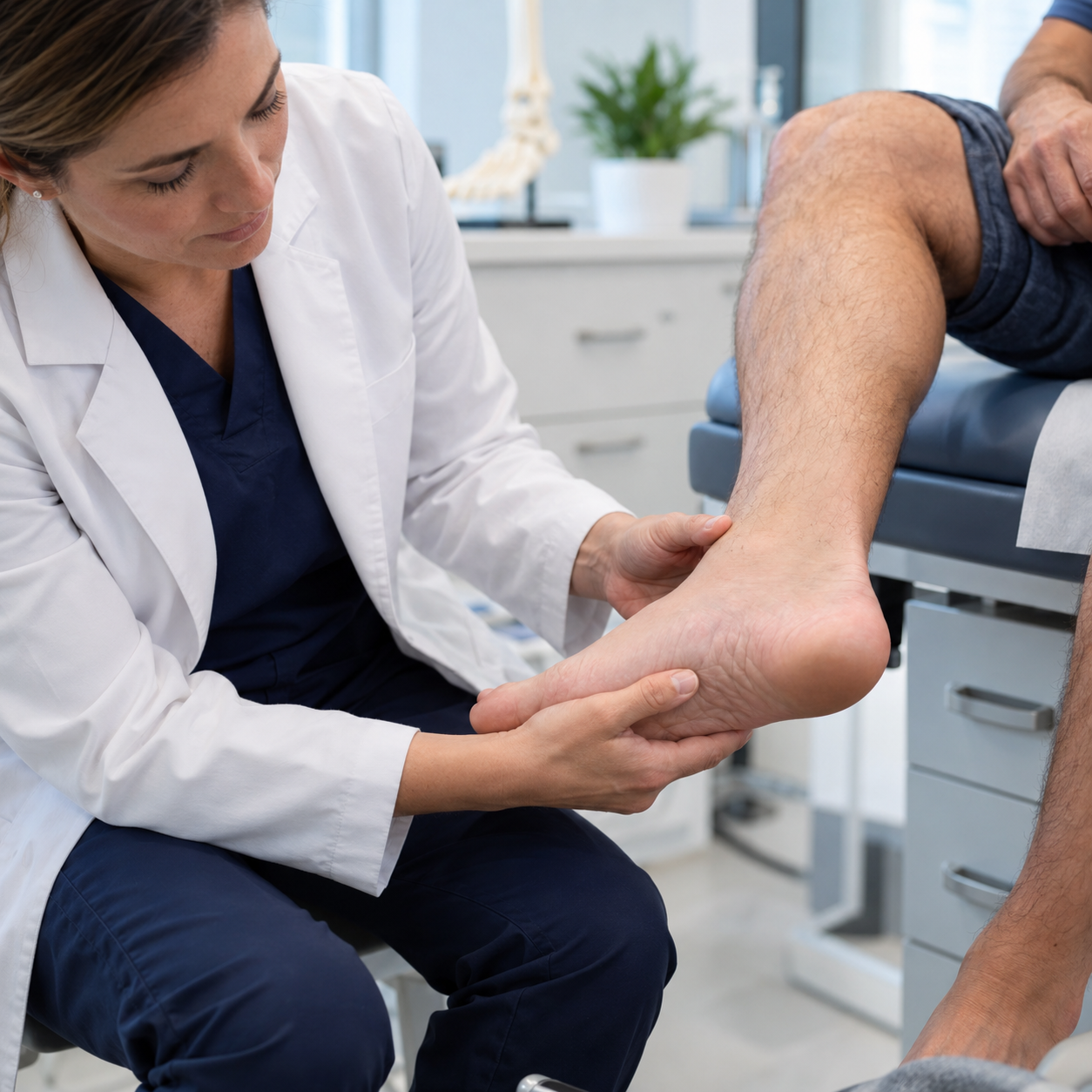
Plantar Fasciitis
Irritation of the plantar fascia commonly causes pain underneath the heel, especially during the first steps after rest.
Achilles Tendon Problems
Inflammation or degeneration of the Achilles tendon can cause pain, stiffness, or tenderness behind the heel.
Heel Spurs
A heel spur is a bony growth that may develop where tissue repeatedly pulls against the heel bone. It does not always cause pain.
Stress Fractures
Repeated pressure or increased activity can create a small crack in the heel bone, often causing pain that worsens with weight-bearing activity.
Heel Pad Irritation
The protective tissue underneath the heel can become irritated or thinner, creating deep, bruise-like pain when standing or walking.
Nerve Irritation
A compressed or irritated nerve may cause burning, tingling, numbness, or shooting pain around the heel and foot.
How Is Heel Pain Diagnosed?
Because several conditions can cause similar symptoms, an accurate evaluation is important before treatment begins.
1. Discuss Your Symptoms
Dr. Petersen will ask you a few questions to get a full understanding of your pain and what’s driving it.
2. Examine Your Foot and Ankle
He’ll examine the painful area and evaluate how your foot and ankle move, function, and respond to pressure.
3. Imaging, if Needed
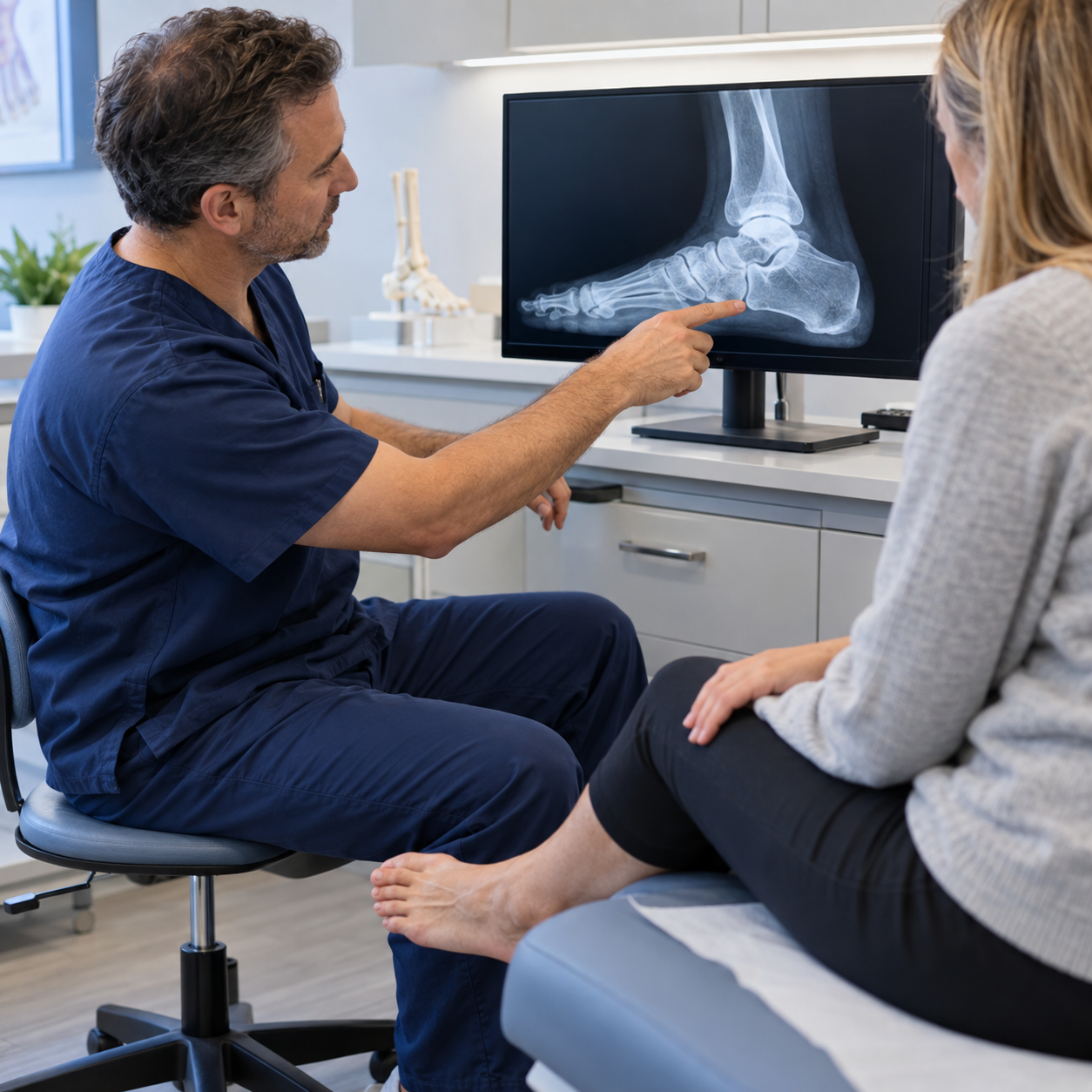
If needed, digital X-rays or additional testing may be used to confirm the cause of your pain.
A Different Approach to Heel Pain Treatment
We focus on treating the source of your heel pain, not simply masking the symptoms. Once the possible cause is identified, Dr. Petersen develops a personalized treatment plan using appropriate nonsurgical options designed to support healing and help you return to your regular activities.
Heal Without Surgery or Injections
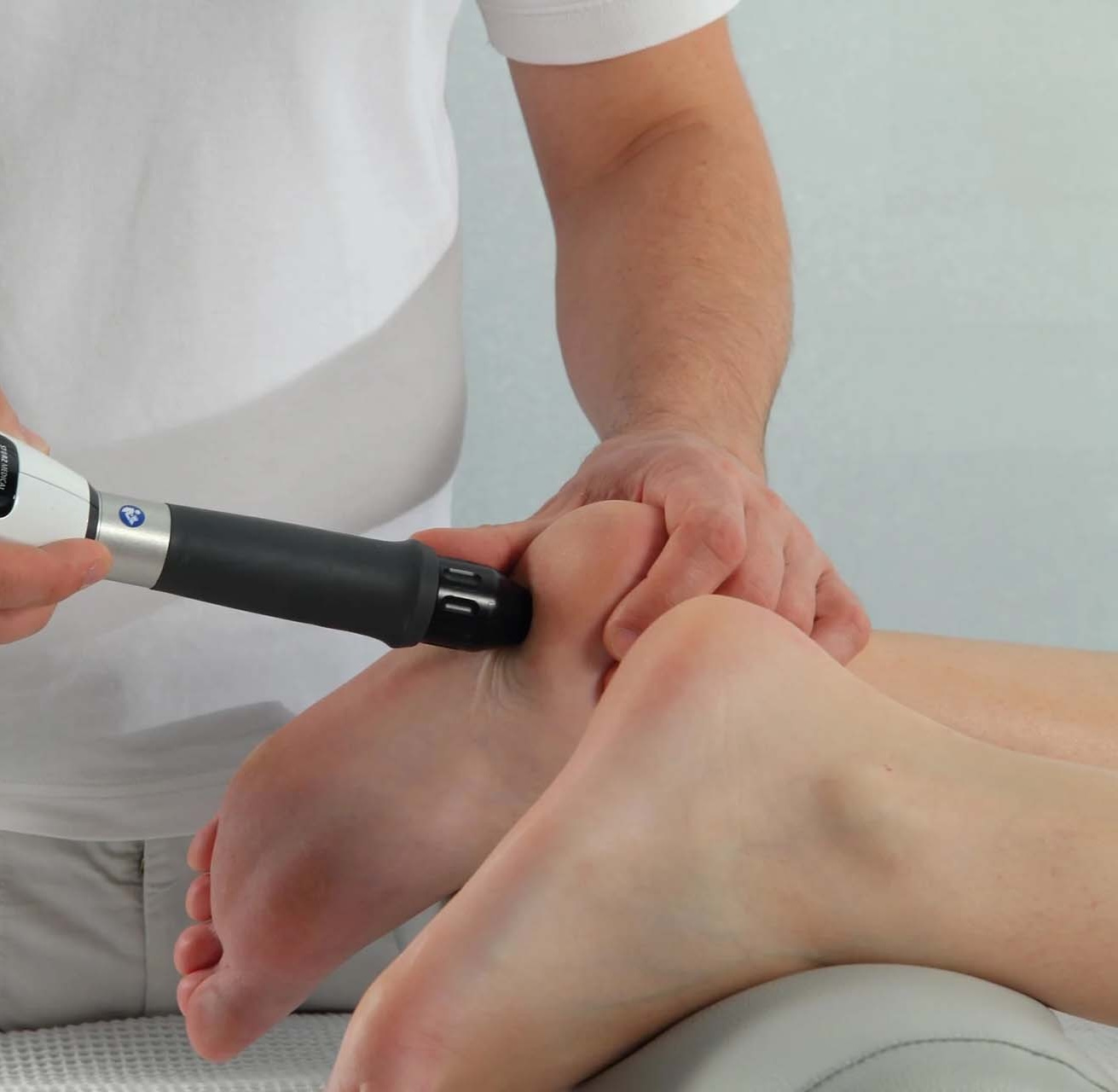
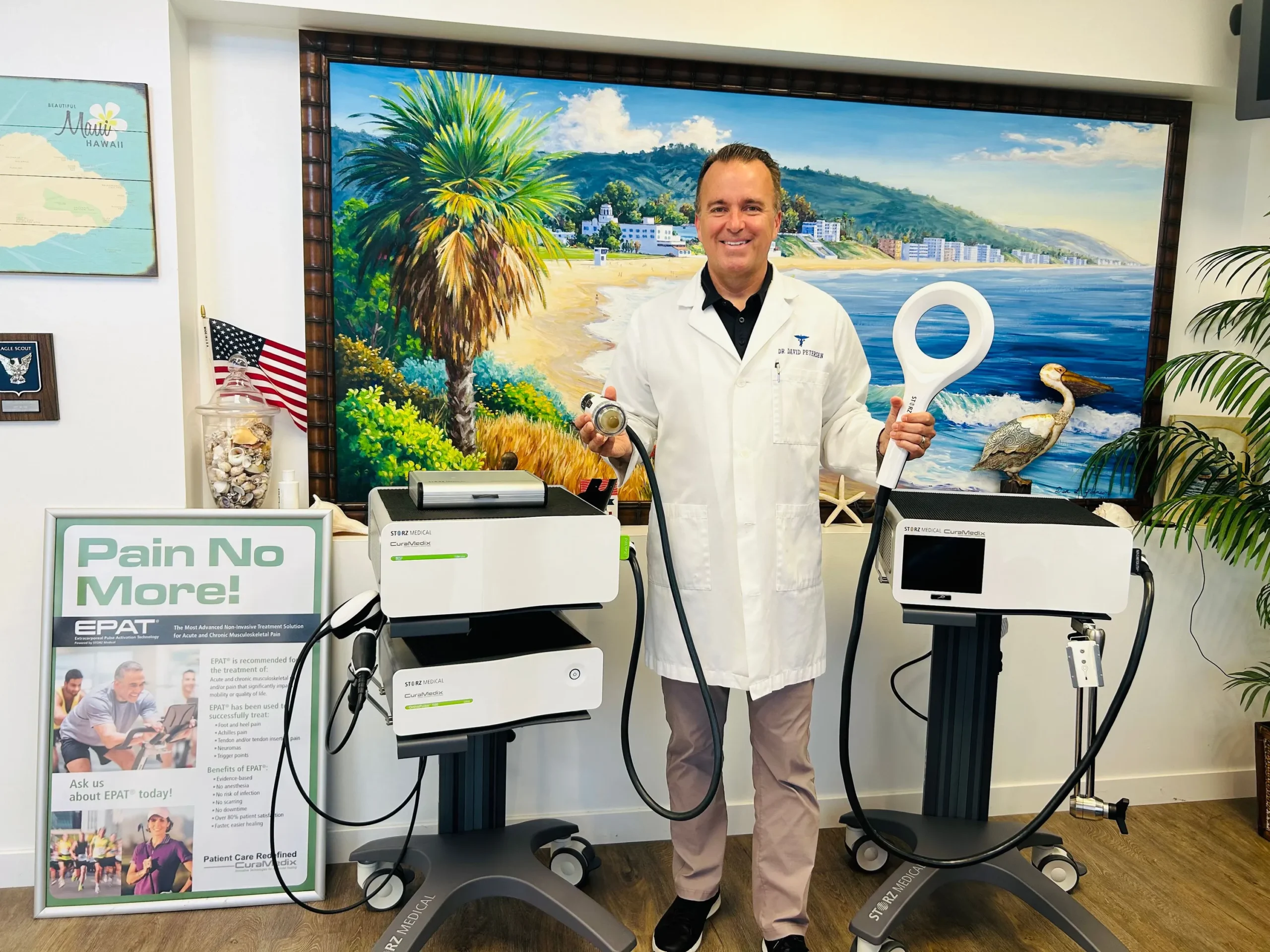
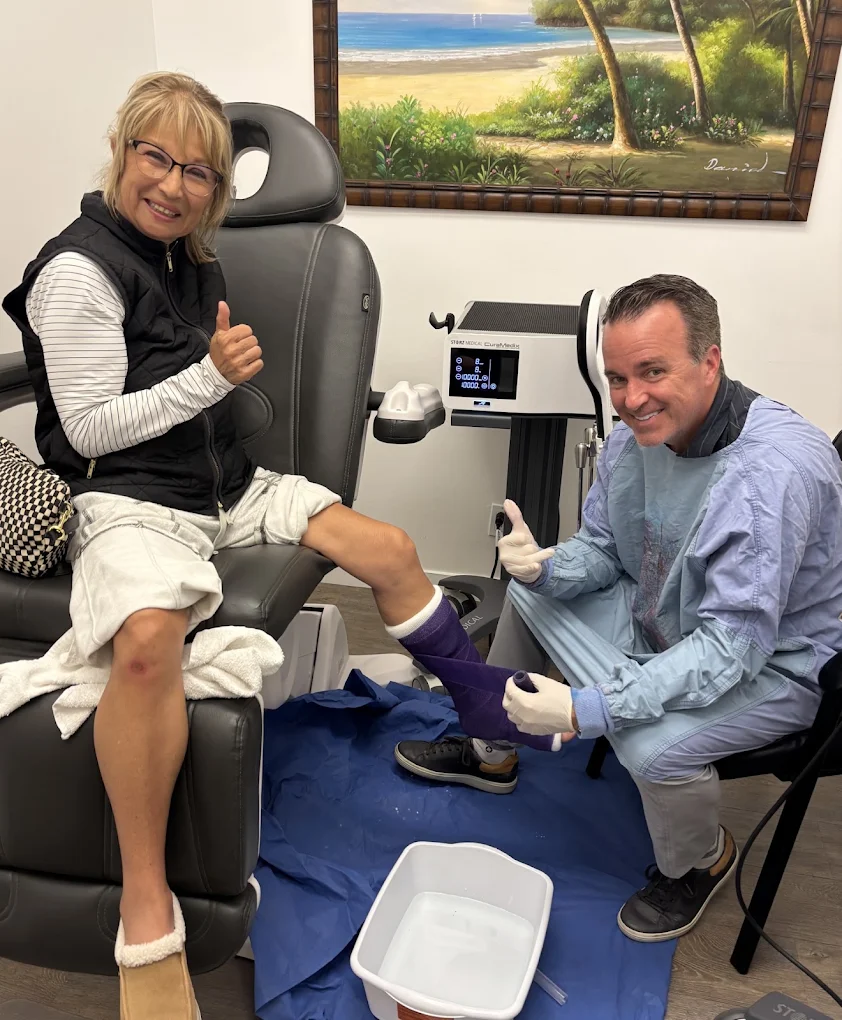
Shockwave Therapy stimulates your body’s natural healing response - without surgery, injections, or extended downtime.
Why Choose Dr. Petersen?
Dr. David Petersen has provided podiatric care to patients in Orange County and Los Angeles since 1998. He evaluates the underlying cause of each patient’s symptoms before recommending a treatment plan.
His education and advanced training include:
- Doctor of Podiatric Medicine degree
- Residency training in podiatric medicine and foot surgery
- Two-year fellowship in advanced foot and ankle surgery
- Experience with conservative and surgical treatment options
Patients receive clear explanations about their diagnosis, available options, expected outcomes, and appropriate next steps.
Trusted by Local Patients
★★★★★ 4.9 / 5 · 120+ reviews
What Patients Are Saying


 Trustindex verifies that the original source of the review is Google.
 Trustindex verifies that the original source of the review is Google.
 Trustindex verifies that the original source of the review is Google.
 Trustindex verifies that the original source of the review is Google.
 Trustindex verifies that the original source of the review is Google.
 Trustindex verifies that the original source of the review is Google.
 Trustindex verifies that the original source of the review is Google.
 Trustindex verifies that the original source of the review is Google.
When Should You See a Podiatrist for Heel Pain?
Schedule an evaluation when heel pain persists, repeatedly returns, worsens, or begins interfering with your regular activities.
Seek professional care if:
- You cannot comfortably place weight on the affected foot
- The pain began after a significant injury or fall
- Your heel becomes increasingly swollen or appears deformed
- You notice numbness, burning, or tingling
- You have an open wound or signs of infection
- You have diabetes and develop a new foot problem
Frequently Asked Questions About Heel Pain
Morning heel pain is commonly associated with irritation of the plantar fascia. The tissue can tighten during rest, making the first few steps particularly uncomfortable.
Periods of rest can allow irritated tissues around the heel to tighten. Pain may become noticeable when you stand and place weight on the foot again.
Some causes of heel pain involve irritated or damaged tissue that can become persistent when the underlying problem is not addressed. Identifying and treating the source of the pain can help provide longer-lasting relief instead of simply masking the symptoms.
Walking barefoot provides less cushioning and support for your foot. Hard surfaces can also put additional pressure on already irritated heel tissue.
Recurring heel pain may be related to activity, footwear, foot mechanics, tissue strain, or an underlying condition that hasn’t fully resolved. An evaluation can help determine why the pain keeps returning.
Mild heel pain may improve with rest and activity changes, but persistent or recurring pain may need treatment. The right treatment depends on what’s actually causing the pain.
Consider seeing a podiatrist if your heel pain isn’t improving, keeps coming back, gets worse, or starts limiting your walking or normal activities. Seek prompt care after an injury or if you notice swelling, deformity, numbness, or signs of infection.
Take the Next Step Toward Heel Pain Relief
If heel pain is keeping you from walking comfortably or doing the activities you enjoy, schedule an evaluation with Dr. Petersen. He’ll identify what’s causing your pain and recommend a treatment plan to help you get back on your feet.