
PRP Injections in Laguna Woods CA
Support Your Body’s Natural Healing Process
PRP Injections use a concentrated portion of your own blood to support healing in eligible tendon, soft-tissue, and joint conditions.
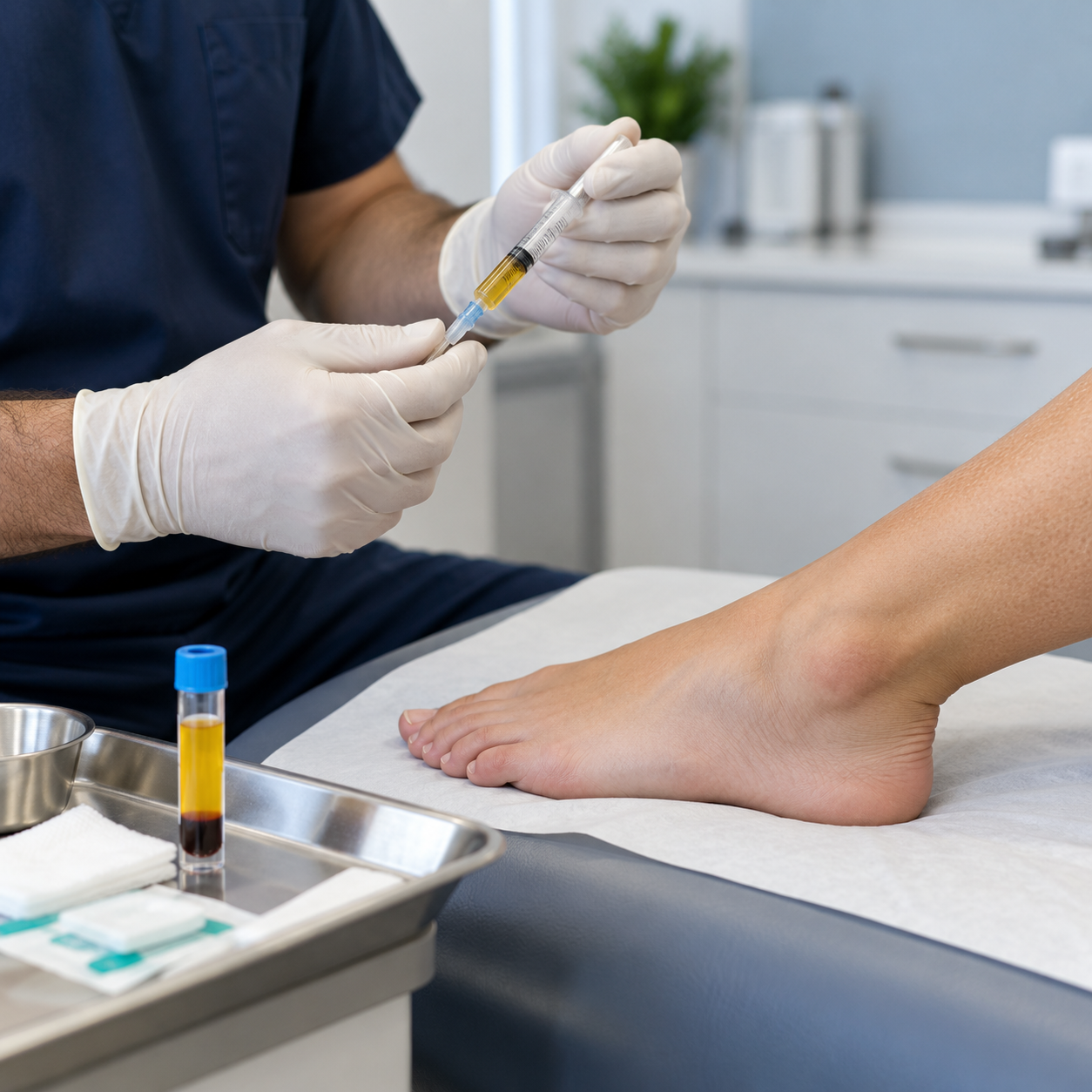
Are You Dealing With Any of These?
- Heel pain that keeps returning
- Achilles or tendon pain limiting your activity
- An injury that has been slow to heal
- Pain that persists despite conservative treatment
- Joint discomfort affecting walking or exercise
- A foot or ankle problem disrupting daily activities

What Conditions Can PRP Injections Treat?
PRP may be considered for certain foot and ankle conditions involving persistent pain or damaged tissue.
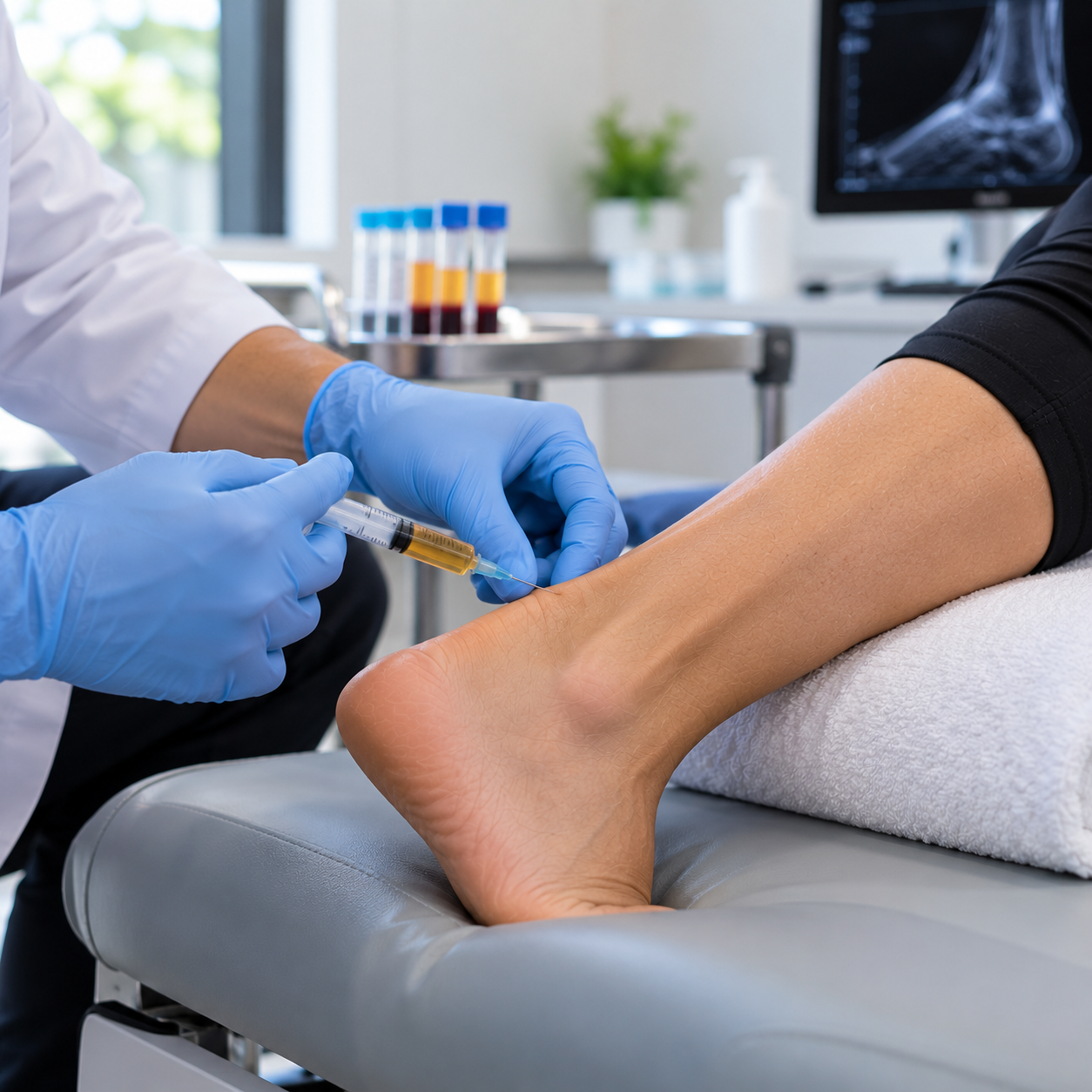
Plantar Fasciitis
PRP may be considered for persistent plantar fasciitis that has not improved sufficiently with appropriate conservative care.
Achilles Tendon Pain and Tendonitis
PRP may support the healing process in eligible patients with chronic Achilles tendon pain or tissue damage.
Tendon and Soft-Tissue Injuries
PRP may be used for selected tendon, ligament, or other soft-tissue injuries that remain painful or slow to heal.
Certain Joint Conditions
PRP may be discussed for eligible joint concerns when inflammation, injury, or degeneration affects comfort and mobility.
Not every condition is suitable for PRP. Dr. Petersen will evaluate your symptoms and diagnosis before recommending treatment.
Use Your Own Platelets to Support Healing
PRP uses a concentrated portion of your own blood rather than introducing a manufactured medication. The platelets are delivered directly to the affected area to support the body’s natural repair response. This approach focuses on helping injured tissue heal instead of only temporarily masking the pain.
Benefits of PRP Injections
Uses Your Own Blood
PRP is prepared from a small sample of your own blood.
Nonsurgical Treatment
The procedure is performed without incisions or an operation.
Targeted Injection
The prepared PRP is placed directly into the affected area.
Supports Natural Repair
Concentrated platelets may support the body’s normal tissue-repair process.
PRP offers eligible patients a nonsurgical approach designed to support healing and improve function over time.
How Do PRP Injections Work?
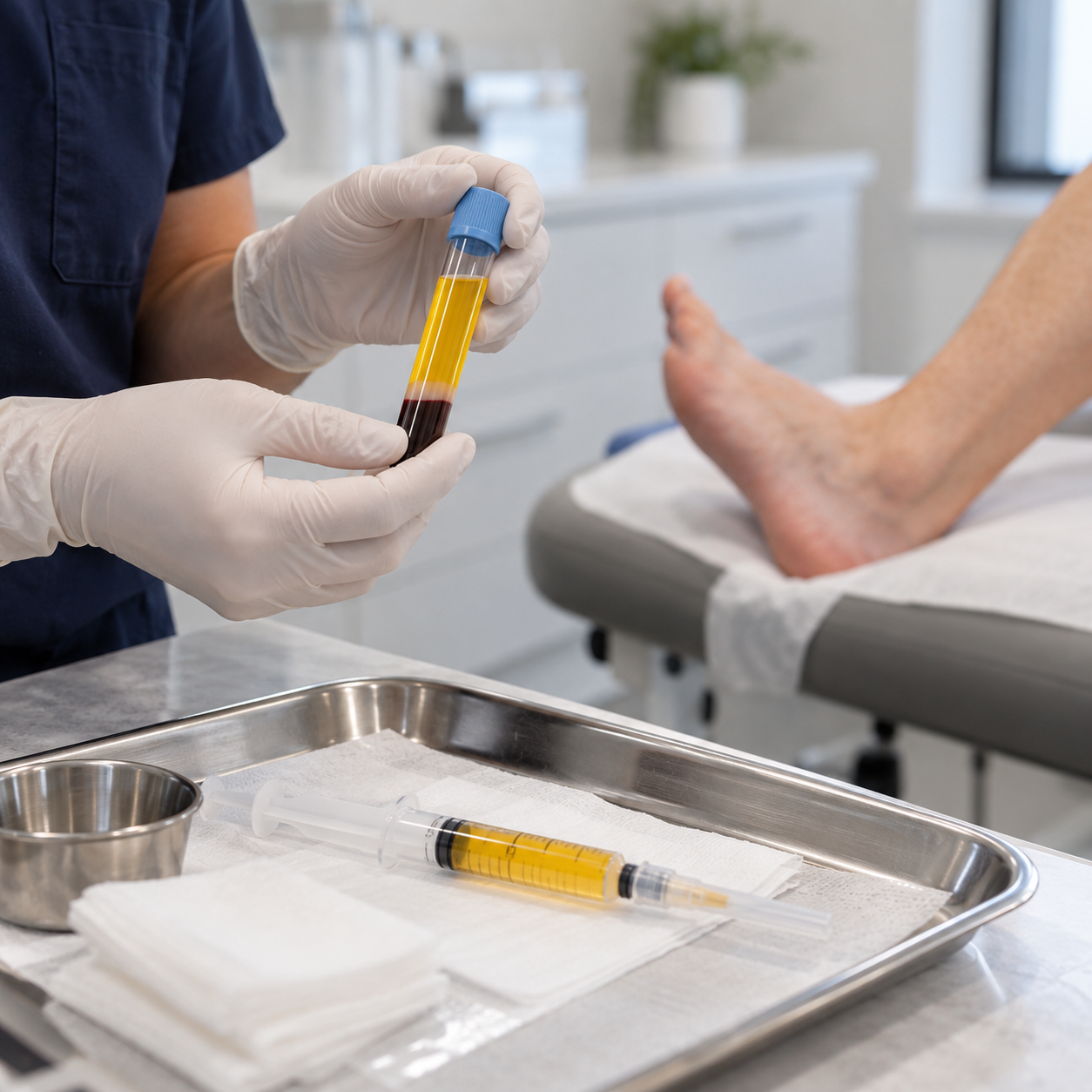
A small amount of blood is collected and processed to separate a platelet-rich portion of the plasma. The prepared PRP is then injected into the affected area, where concentrated platelets may support the body’s natural repair response.
Healing occurs gradually as the treated tissue responds over time.
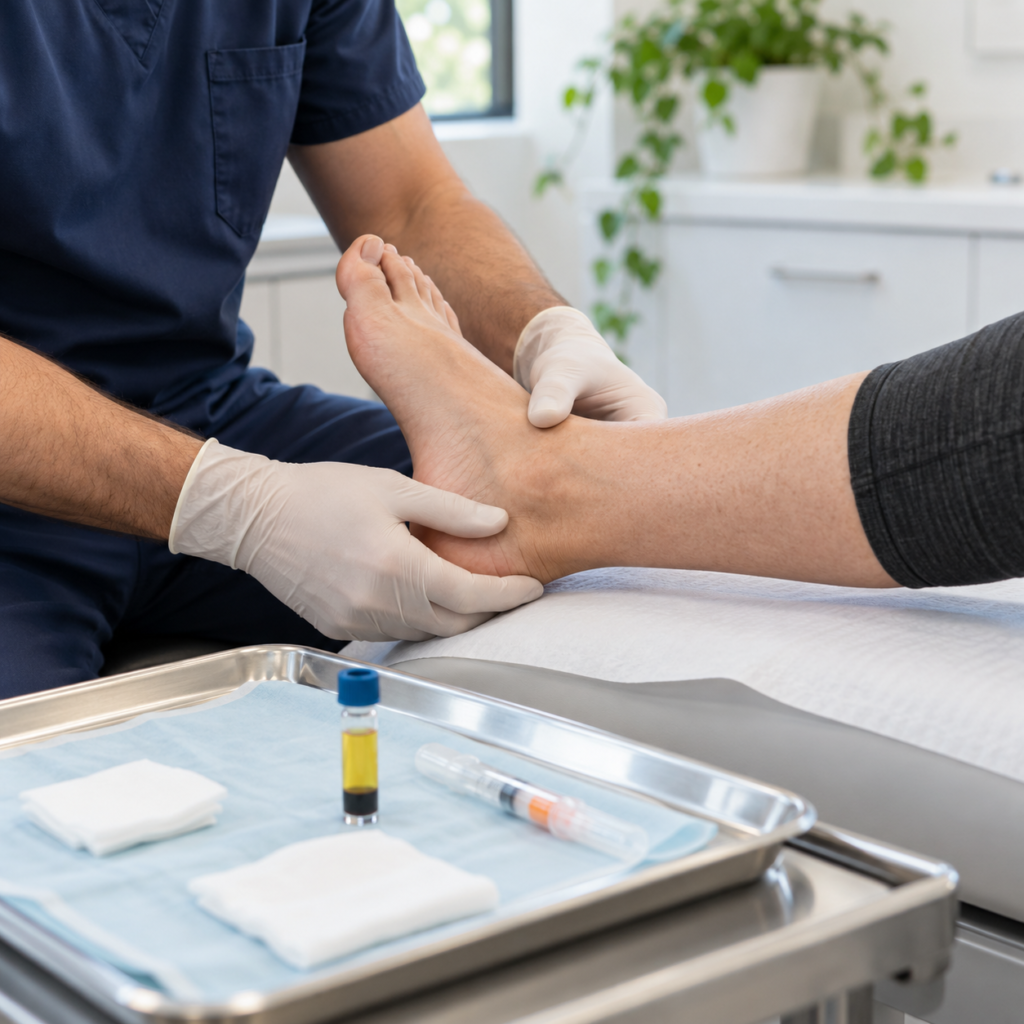
What Is PRP Treatment Like?
1. Evaluate
Dr. Petersen identifies the source of your pain and determines whether PRP is appropriate for your condition.
2. Prepare and Inject
A blood sample is processed to concentrate the platelets before the PRP is carefully injected into the targeted area.
3. Follow Your Recovery Plan
You receive personalized instructions about activity, recovery, follow-up care, and when to resume normal activities.
PRP Treatment With David Petersen, DPM
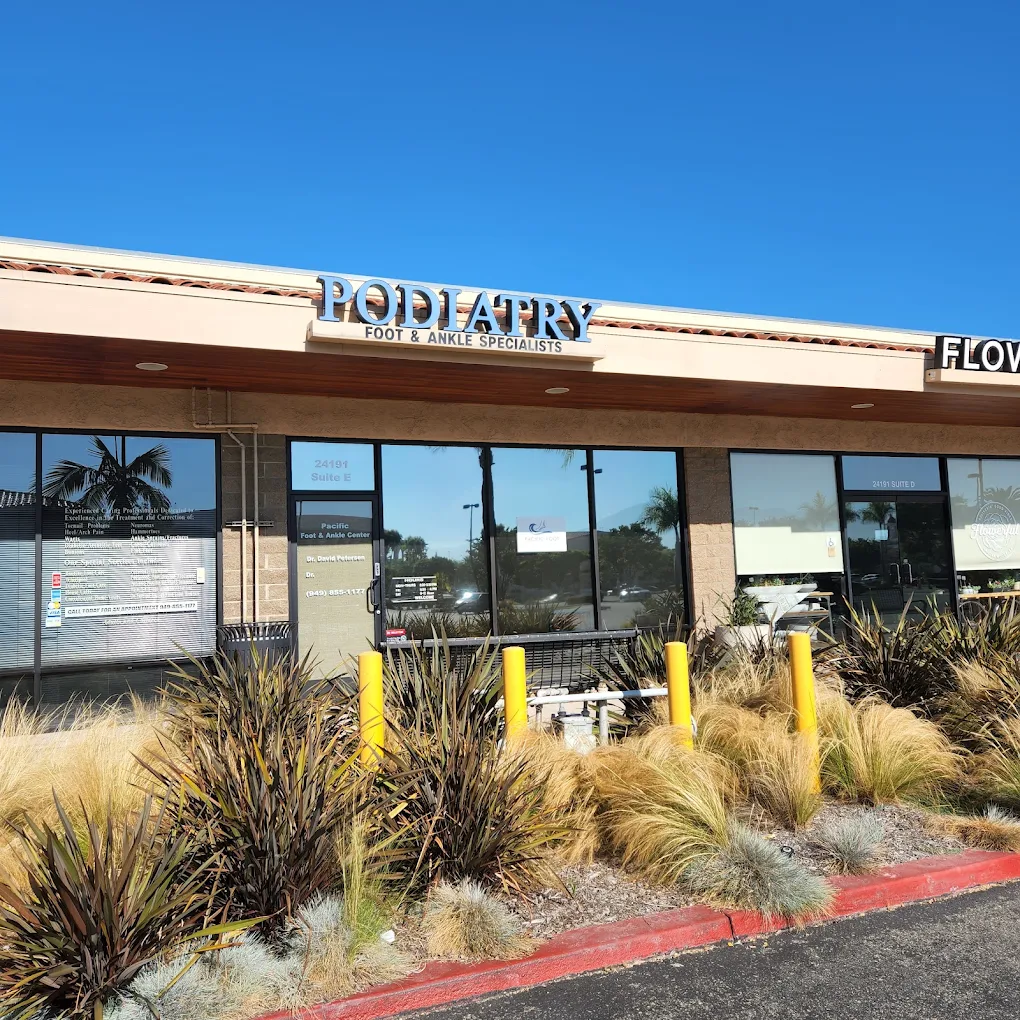
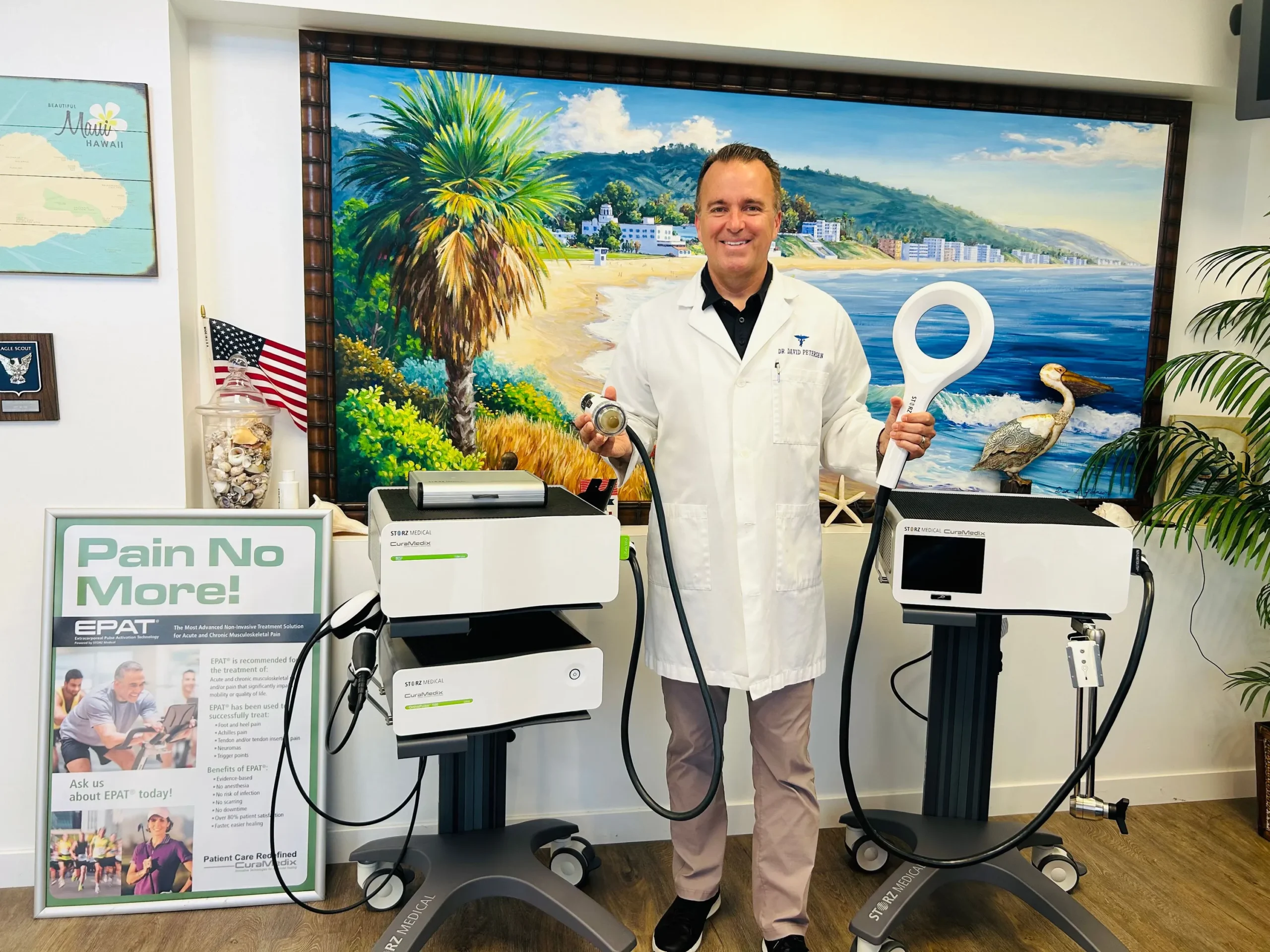
Dr. David Petersen has provided podiatric care in Orange County and Los Angeles since 1998. He evaluates each patient individually to determine whether PRP or another treatment is appropriate for the diagnosed condition.
His approach combines a careful evaluation with personalized recommendations based on your symptoms, health, activity level, and treatment goals.
Trusted by Local Patients
★★★★★ 4.9 / 5 · 120+ reviews
What Patients Are Saying


 Trustindex verifies that the original source of the review is Google.
 Trustindex verifies that the original source of the review is Google.
 Trustindex verifies that the original source of the review is Google.
 Trustindex verifies that the original source of the review is Google.
 Trustindex verifies that the original source of the review is Google.
 Trustindex verifies that the original source of the review is Google.
 Trustindex verifies that the original source of the review is Google.
 Trustindex verifies that the original source of the review is Google.
Frequently Asked Questions
You may feel discomfort during the blood draw and injection. Sensitivity varies depending on the treatment area and individual pain tolerance, and temporary soreness afterward may occur.
Appointment length varies based on the treatment area and the time needed to prepare the PRP. The blood collection, preparation, and injection are generally completed during the same office visit.
The recommended number of injections depends on your diagnosis, tissue condition, symptoms, and response to treatment. Dr. Petersen will explain the proposed treatment plan after your evaluation.
PRP is intended to support a gradual healing response, so improvement may not be immediate. The timeline varies according to the condition, its severity, and the individual patient.
Activity recommendations depend on the area treated and your individual condition. Some patients can walk afterward, but temporary activity restrictions or changes may be recommended to protect the treated tissue.
PRP may provide a nonsurgical option for certain eligible conditions, but it is not appropriate for every patient. Dr. Petersen will discuss whether PRP, another conservative treatment, or surgery is most suitable.
PRP may be considered for certain persistent heel, tendon, or soft-tissue conditions. An evaluation is necessary to confirm the cause of your pain and determine whether PRP is appropriate.
Coverage varies by insurance plan and medical circumstances, and PRP may be considered a self-pay treatment. Contact Pacific Foot & Ankle Center before treatment to discuss current coverage and payment information.
Find Out if PRP Injections Are Right for You
If persistent foot, heel, tendon, or joint pain is limiting your activities, schedule an evaluation with Dr. Petersen. He can identify the possible cause and explain whether PRP Injections or another treatment may be appropriate.